Wattage vs Lumens: What You Should Know
Wattage and lumens get used interchangeably, but they measure completely different things. Here's the distinction that actually matters when comparing lights.
Wattage and lumens get used interchangeably in casual conversation about lighting, but they measure two completely different things — and mixing them up is one of the most common ways buyers end up disappointed with a light fixture. Greenshine gets this question constantly from customers comparing solar lighting options, so it's worth clearing up exactly what each number tells you.
Wattage Measures Power, Not Brightness
Wattage tells you how much power a fixture consumes, not how bright it is. For decades that distinction didn't matter much because incandescent bulbs converted power to light at roughly the same inefficient rate, so a higher wattage really did mean a brighter bulb. LED technology broke that link completely — a modern LED fixture can produce the same brightness, or more, while consuming a fraction of the watts an old incandescent or halogen fixture needed.
Lumens Measure the Light You Actually See
Lumens are the real measure of a fixture's brightness — the total visible light it puts out, independent of how much power it took to make that light happen. A traditional 60-watt incandescent bulb produces around 800 lumens. A modern LED fixture can hit that same 800 lumens using only 8 to 12 watts, which is the entire reason wattage stopped being a useful brightness shorthand once LEDs became standard.
How to Actually Compare Fixtures
- ✓Compare lumens, not watts, when judging how bright two fixtures will be side by side
- ✓Use lumens to find an LED equivalent for an old incandescent or halogen fixture you're replacing
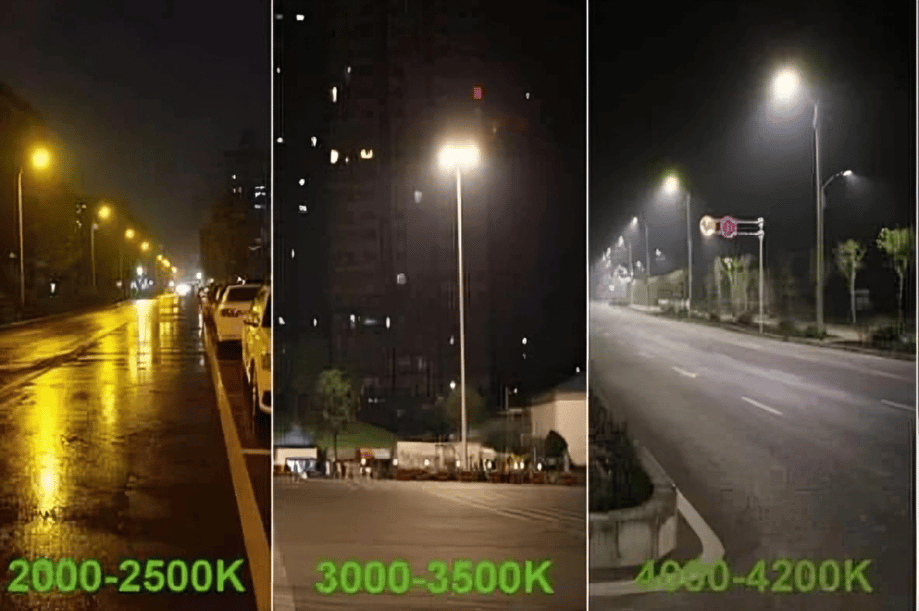
- ✓Check color temperature (measured in Kelvins) alongside lumens — warm white around 2700K reads very differently than cool white above 5000K at the same brightness
- ✓Confirm dimmer compatibility if the fixture needs to work with an existing dimming control
Why This Matters for Solar Lighting Specifically
Solar lighting makes the wattage-versus-lumens distinction even more important, because every watt a fixture draws has to come from a solar panel and a battery sized to supply it — there's no wall outlet to fall back on. A poorly specified solar light with inflated wattage and unclear lumen output can end up both dimmer than expected and undersized on battery capacity. Greenshine designs its fixtures around lumen output first, then sizes the solar panel and battery to reliably deliver it every night, including through cloudy stretches — which is why the spec sheet on a quality solar light leads with lumens rather than watts.
The Bottom Line
Watts tell you what a fixture costs to run; lumens tell you what you'll actually see. When comparing lighting — solar or otherwise — lumens are the number that should drive the decision, with color temperature and dimming compatibility as the secondary details that shape how that brightness actually feels in the space it's lighting.
Professional Consultation
Fill in your project details and one of our lighting experts will get back to you within 24 hours.
Questions? Call us at 949-609-9636
Financing Available
Greenshine partnered with Balboa Capital, a top-rated direct lender, to offer fast, easy, and affordable equipment financing options.
Learn more →Related Articles
How Many Lumens Do I Need for Outdoor Lighting?
What is a Lumen? What's the difference between Lumens and Watts. Why are lumens more important when measuring outdoor lights. Find out here.
Understanding LED Light Temperatures for Solar Street Lights
This guide explores the three primary LED light temperatures used in solar street lighting and offers recommendations on which light temperature is best suited for various applications.