Battery Facts: A Comparison of Solar Light Batteries
NiCd, NiMH, Li-Ion, Lithium Polymer, or lead-acid gel — here's how the common battery chemistries actually stack up for solar lighting.
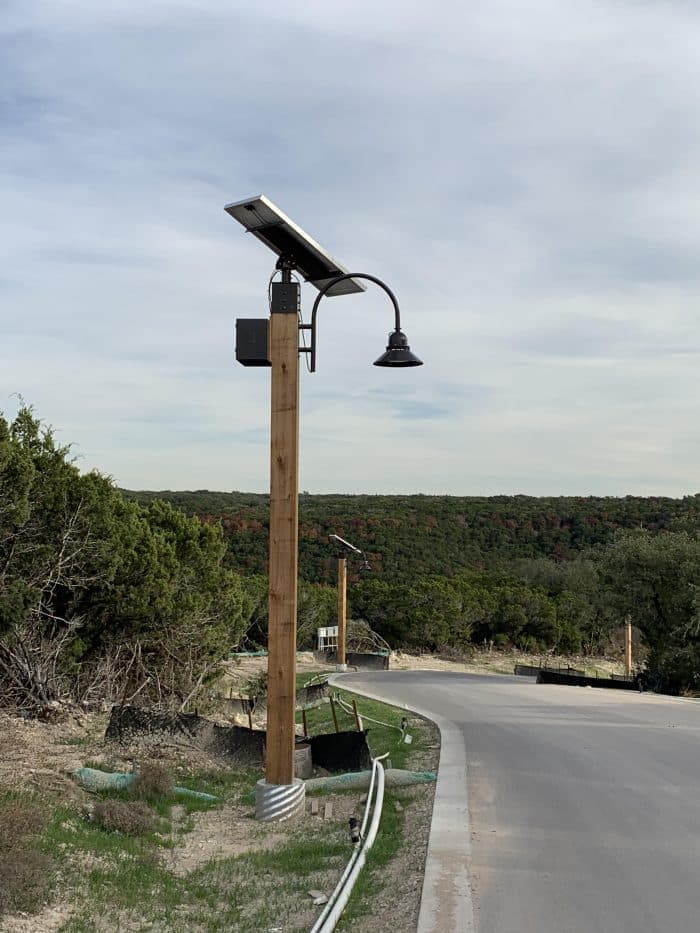
Battery choice is one of the first things new solar customers get anxious about, and for good reason — the battery decides whether a solar light saves money and runs maintenance-free for years, or turns into a recurring cost and a recurring headache. Not every battery chemistry on the market is a good fit for solar lighting, and a few of them carry real safety or environmental baggage on top of the performance problems. Here's how the common options actually compare.
NiCd: A Chemistry Worth Skipping
Nickel-Cadmium (NiCd) batteries suffer from what's known as the "memory effect" — because they're designed to be fully charged and fully depleted, the partial daily charge-discharge cycle a solar light actually puts them through gradually shrinks their usable voltage range over time. Cadmium itself is also a highly toxic metal, which undercuts the entire point of switching to solar in the first place if the battery inside it is an environmental liability.
NiMH: Better, Still Not Ideal
Nickel Metal-Hydride (NiMH) batteries are a cleaner choice than NiCd, but they need periodic full discharges to stay healthy — impractical maintenance for a light installed in a parking lot or park. NiMH performs best in high-drain, intermittent-use devices like flashlights, not the low, steady, cyclical drain of a solar street light.
Li-Ion and Lithium Polymer: Not Built for This Job
Lithium-Ion batteries need a dedicated protection circuit to manage peak voltage and prevent damaging discharges — an added electrical complexity most public lighting projects don't want. They also typically last only about three years and roughly 1,000 recharge cycles, well short of the five to seven years a well-specified solar light battery should deliver, and their higher manufacturing cost eats into solar's cost advantage. Lithium Polymer batteries share the same basic drawbacks — low energy density, a shorter cycle count, and a steep replacement cost over time — making both chemistries a poor match for solar lighting despite their popularity in consumer electronics.
The Winner: Lead-Acid Deep Cycle Gel Batteries
After ruling out the alternatives, lead-acid deep-cycle gel batteries come out ahead for solar lighting specifically. They're inexpensive per watt-hour, require minimal maintenance, hold a low self-discharge rate, and — most importantly — perform best under partial daily discharge, which is exactly the 15-20% nightly cycle a properly sized solar light battery goes through. That match between chemistry and use case is what makes gel batteries the standard choice across Greenshine's solar lighting systems.
Quick Comparison
| Battery Type | Typical Lifespan | Best Fit For |
|---|---|---|
| NiCd | Degrades via memory effect | Not recommended — toxic and a poor cycling match |
| NiMH | Moderate, high maintenance | Small electronics, not public lighting |
| Li-Ion | ~3 years / ~1,000 cycles | Consumer electronics, not solar lighting |
| Lithium Polymer | Short cycle count | Compact consumer devices |
| Lead-Acid Gel | 5–7 years | Solar street and pathway lighting |
The Bottom Line
Not every battery marketed as "long-lasting" is actually suited to how a solar light discharges energy day after day. Lead-acid deep-cycle gel batteries win on the metric that actually matters for this application — reliable performance under partial daily discharge — which is exactly why they're the standard across Greenshine's solar lighting systems rather than a cost-cutting compromise.
Professional Consultation
Fill in your project details and one of our lighting experts will get back to you within 24 hours.
Questions? Call us at 949-609-9636
Financing Available
Greenshine partnered with Balboa Capital, a top-rated direct lender, to offer fast, easy, and affordable equipment financing options.
Learn more →Related Articles
From Charging to Storage: Best Practices for Solar Battery Longevity
This article explores best practices from charging to storage to ensure your solar battery serves you effectively for as long as possible.
A Guide to Solar Lighting Batteries for Sustainable Illumination
In the pursuit of sustainable illumination, solar lighting systems stand out as a beacon of innovation. Understanding the role of batteries in these systems is crucial for maximizing their efficiency and lifespan.