A Guide to Solar Lighting Batteries for Sustainable Illumination
In the pursuit of sustainable illumination, solar lighting systems stand out as a beacon of innovation. Understanding the role of batteries in these systems is crucial for maximizing their efficiency and lifespan.
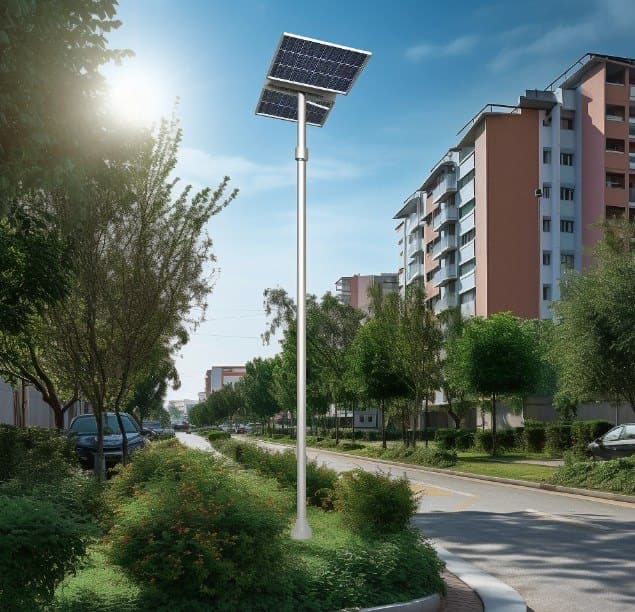
Solar lighting has emerged as a beacon of sustainable technology, providing efficient and environmentally friendly solutions for both outdoor and indoor illumination. At the heart of these solar lighting systems lies a critical component - the battery. In this comprehensive guide, we will navigate the intricacies of solar lighting batteries, exploring their types, technologies, and key considerations for achieving lasting and sustainable illumination.
Understanding the Basics
Types of Solar Lighting Batteries:
Solar lighting systems commonly employ three main types of batteries: lithium-ion, nickel-metal hydride (NiMH), and lead-acid. Each type has unique characteristics that cater to different needs and applications.
How Solar Lights Work:
Solar lights operate by converting sunlight into electrical energy during the day and storing it in batteries for later use. The stored energy powers the lights during nighttime hours, offering an eco-friendly and cost-effective lighting solution.
The Heart of Solar Lighting Systems: A Comparison of Batteries
Solar lighting systems have revolutionized outdoor and indoor illumination, offering an eco-friendly and energy-efficient alternative. At the core of these systems are batteries, crucial for storing solar-generated energy to power lights during the night. In this article, we delve into the comparison of batteries commonly used in solar lighting systems, shedding light on their features, advantages, and considerations.
Lithium-ion Batteries
Advantages:
- ✓High Energy Density: Lithium-ion batteries offer a high energy density, providing more power in a compact and lightweight package.
- ✓Long Cycle Life: They typically have a longer cycle life compared to other battery types, enduring numerous charge and discharge cycles.
- ✓Low Self-Discharge Rate: Lithium-ion batteries have a low self-discharge rate, meaning they retain stored energy for an extended period.
Considerations:
- ✓Cost: Lithium-ion batteries can be more expensive upfront, but their long lifespan often justifies the initial investment.
- ✓Temperature Sensitivity: Extreme temperatures can affect the performance of lithium-ion batteries.
Nickel-Metal Hydride (NiMH) Batteries
Advantages:
- ✓Environmentally Friendly: NiMH batteries are considered more environmentally friendly than some other types, as they don't contain toxic materials like cadmium.
- ✓Suitable for High-Drain Devices: NiMH batteries perform well in high-drain devices, making them suitable for some solar lighting applications.
Considerations:
- ✓Self-Discharge Rate: NiMH batteries have a higher self-discharge rate compared to lithium-ion batteries, which means they can lose stored energy more quickly when not in use.
- ✓Limited Cycle Life: NiMH batteries may have a shorter cycle life compared to lithium-ion batteries.
Lead-Acid Batteries
Advantages:
- ✓Cost-Effective: Lead-acid batteries are generally more affordable than lithium-ion batteries.
- ✓Widespread Availability: They are widely available and have been used in various applications for many years.
Considerations:
- ✓Weight and Size: Lead-acid batteries tend to be heavier and bulkier compared to lithium-ion batteries with similar capacity.
- ✓Maintenance Requirements: Regular maintenance, such as checking water levels, is necessary for lead-acid batteries.
Choosing the Right Battery for Your Solar Lighting System
Capacity:
- ✓Consider the energy storage capacity of the battery, ensuring it meets the demands of your specific lighting system.
Voltage:
- ✓Match the battery voltage to the requirements of your solar lights, as different systems may have different voltage specifications.
Cycle Life:
- ✓Assess the expected number of charge and discharge cycles the battery can undergo over its lifetime.
Temperature Tolerance:
- ✓Choose a battery type that can withstand the temperature conditions of your location.
Choosing the Right Battery
Lithium-ion vs. NiMH Batteries:Lithium-ion batteries are known for their high energy density, longer cycle life, and lower self-discharge rate. On the other hand, NiMH batteries are considered environmentally friendly and suitable for high-drain applications. The choice between the two depends on factors such as cost, performance requirements, and environmental considerations.
Factors to Consider When Choosing Batteries:Capacity, voltage, cycle life, and temperature tolerance are crucial factors when selecting a battery for your solar lighting system. Understanding the specific requirements of your lighting setup will guide you in making the right choice.
Maximizing Battery Performance
Proper Maintenance Practices:To extend the lifespan of your solar lighting batteries, regular maintenance is essential. This includes cleaning solar panels, checking connections, and ensuring proper ventilation for lead-acid batteries.
Tips for Cold Weather Operation: Cold temperatures can affect battery performance. Implementing strategies such as insulation, using cold-resistant batteries, and adjusting the lighting system's settings can help overcome the challenges posed by winter weather.
Eco-Friendly Illumination
The Environmental Impact of Solar Lighting Batteries:Solar lighting, powered by rechargeable batteries, significantly reduces the carbon footprint associated with traditional grid-powered lighting systems. Understanding the recyclability of different battery types adds another layer of eco-friendliness to solar lighting solutions.
Case Studies and Success Stories
Real-world Applications: Explore case studies highlighting successful applications of solar lighting batteries. From residential landscapes to commercial spaces, these examples showcase the versatility and effectiveness of solar lighting systems.
Future Innovations
Advancements in Solar Battery Technology:Stay informed about the latest innovations in solar battery technology. Ongoing research and development continue to enhance the efficiency and sustainability of solar lighting batteries, paving the way for even more eco-friendly illumination solutions.
Conclusion
In the pursuit of sustainable illumination, solar lighting systems stand out as a beacon of innovation. Understanding the role of batteries in these systems is crucial for maximizing their efficiency and lifespan. By choosing the right battery, implementing proper maintenance practices, and staying abreast of technological advancements, you contribute not only to the longevity of your solar lighting setup but also to a greener and more sustainable future. Illuminate your surroundings responsibly, harnessing the power of the sun for enduring and eco-friendly lighting solutions.
Professional Consultation
Fill in your project details and one of our lighting experts will get back to you within 24 hours.
Questions? Call us at 949-609-9636
Financing Available
Greenshine partnered with Balboa Capital, a top-rated direct lender, to offer fast, easy, and affordable equipment financing options.
Learn more →Related Articles
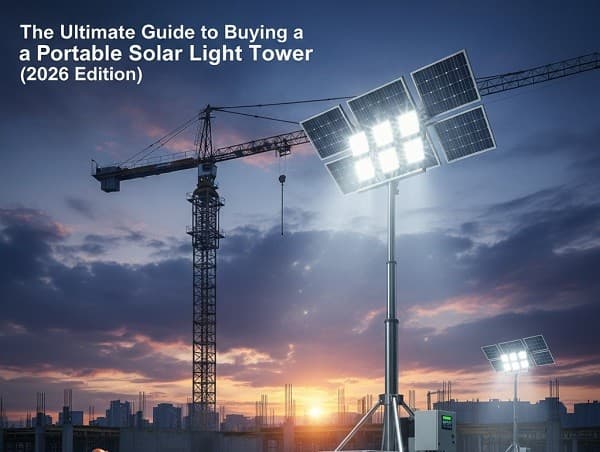
The Ultimate Guide to Buying a Portable Solar Light Tower (2026 Edition)
Buying a portable solar light tower in 2026 is one of the smartest moves a project manager can make. It solves the headache of fuel logistics, eliminates noise complaints, and slashes long-term costs.
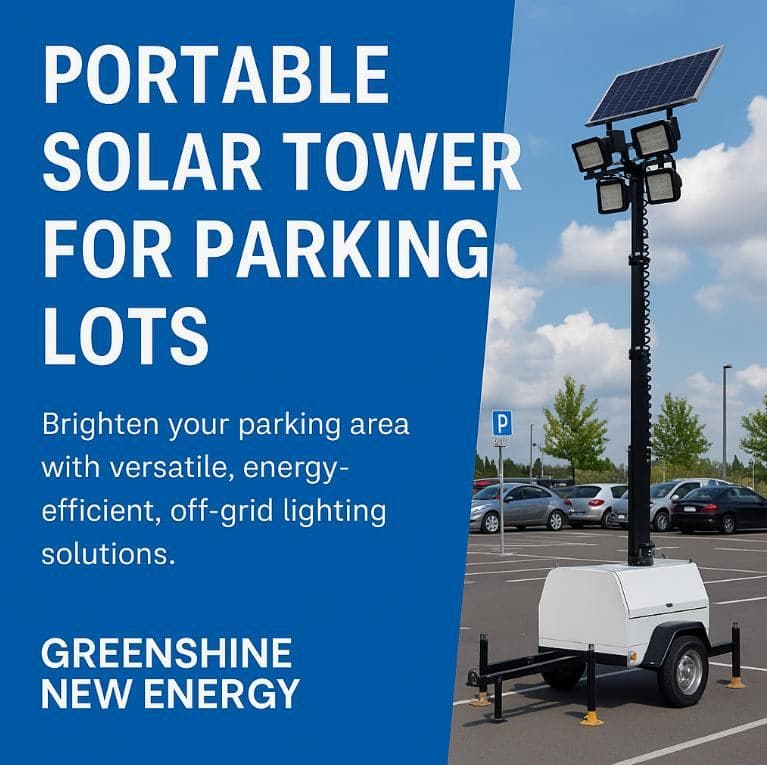
Portable Solar Tower for Parking Lots
At Greenshine New Energy, we provide mobile and portable solar light towers designed to deliver bright, sustainable light anywhere — without wiring, fuel, or utility costs.
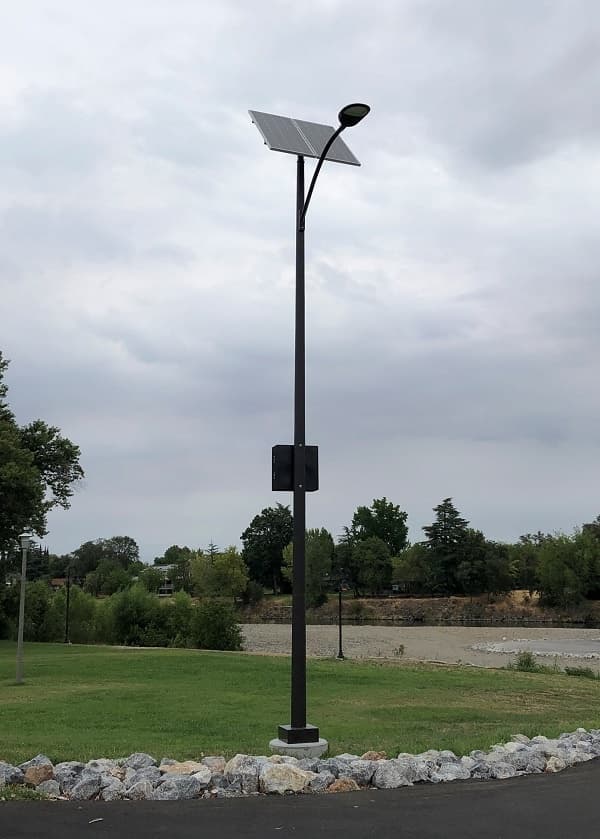
How Tall Are Solar Street Lights and Why It Matters for Your Project
Most solar street lights range from 12 to 30 feet, but the best performance comes from choosing a system designed for your project’s exact conditions — not a one-size-fits-all model.