Solar Lighting for Native American Tribes
Off-grid solar street and pathway lighting that brings affordable, reliable illumination to tribal communities and reservation lands without waiting on grid expansion.
Reliable lighting for remote and off-grid communities
For many isolated Native American communities, a clean and affordable lighting source can be hard to come by. Renewable energy and microgrid technologies have been pursued to deliver affordable electricity to Native American lands — the Navajo Nation in the Four Corners region of the US, for example, now uses remote solar lights in their communities.
Solar lights for indigenous lands are part of the renewable future. Their low cost compared to conventional high-pressure sodium (HPS) lighting makes them an affordable solution, and their lower carbon footprint provides an environmental benefit that is compatible with the cultural values often held by Native American tribes. The remote accessibility, lower cost, and natural conscientiousness of this renewable energy system make solar lighting the resource of choice for many tribal communities.
Cost-Effectiveness: While the upfront cost of solar light installation is slightly greater than that of conventional HPS, the lifetime cost of solar lighting is significantly less. Solar lights evade many of the expenses that come with HPS lighting — to the tune of $4,000 per light over 5 years. In a parking lot with 10 or 20 lights, the savings of solar add up quickly.
Low Maintenance: Part of the reduced expense associated with solar lighting comes from the lack of need for regular upkeep. Conventional lighting requires light replacement every 5,000–8,000 hours — or approximately every year — whereas solar lights employ much more durable LED technology, which can last for up to seven years.
Community Security: As anyone forced to cross a poorly lit street or parking lot knows, proper lighting is an essential part of making an area feel safe at night. Recent studies have shown that strategic placement of streetlights can reduce index crimes by a minimum of 36%.
Solar Applications for Native American Tribes: The adaptability of solar lighting to a wide variety of applications is one of its many advantages, but it also means careful consideration of endpoint usage is a must. Before and after dark, commutes to school can be poorly lit and dangerous for children, especially in winter months — in remote areas where electricity is not available, solar lights can provide the visibility students need to stay safe. Reliable solar lights with remote panels can also be enough to drive away crime and vandalism, and because solar lighting requires no trenching, it can be moved far more easily than conventional HPS lighting — a helpful option for special events or temporary areas such as outdoor shelters and gatherings. Some housing areas in Native American communities also have outdated utilities that can no longer be used; in such instances, remote solar outdoor lighting delivers illumination where other light sources are obsolete or missing altogether.
Considerations When Investigating the Solar Option: Beyond the application itself, several key variables shape the right solar lighting solution — the surroundings and any shade obstructions that could affect solar exposure, the project's scope and specifications (lighting monitoring, operating profile, number of lights, pole height, budget, and timeline), and financing, including rebates and incentives that can further reduce installation costs. Many Greenshine systems are designed to operate at full brightness for five hours beginning at dusk, then dim to 40% power for the rest of the night — though full-brightness-all-night configurations are also available.
What Greenshine Can Offer: Our team of solar lighting professionals can guide you through the process of determining your illumination needs, with a complete lighting layout including illuminance calculations and 3D simulations delivered to IESNA standards, comprehensive solutions customized to your project, durable galvanized-steel construction with sealed electronics and a battery burial option for a vandal-resistant design, and an optimized development plan covering fixture placement, wattage, and pole height.
Key Benefits
- ✓Complete lighting layout with illuminance calculations and 3D simulations, delivered to IESNA standards
- ✓Comprehensive, customized solutions sized to each community's project scope and budget
- ✓Durable, vandal-resistant construction — galvanized steel, anticorrosive materials, and sealed electronics
- ✓Optimized development plan covering fixture placement, wattage, and pole height
- ✓No trenching or grid connection required, ideal for remote reservation lands
- ✓Financing and rebate options available to help move projects forward
Professional Consultation
Fill in your project details and one of our lighting experts will get back to you within 24 hours.
Questions? Call us at 949-609-9636
Financing Available
Greenshine partnered with Balboa Capital, a top-rated direct lender, to offer fast, easy, and affordable equipment financing options.
Learn more →All Applications
Recommended Systems
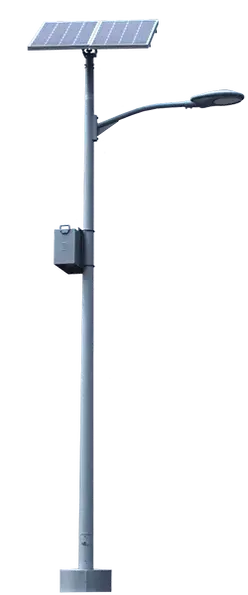
Supera
Solar-powered LED street light pole featuring a 60-80 watt cobra-head style LED fixture with 2 solar panels.
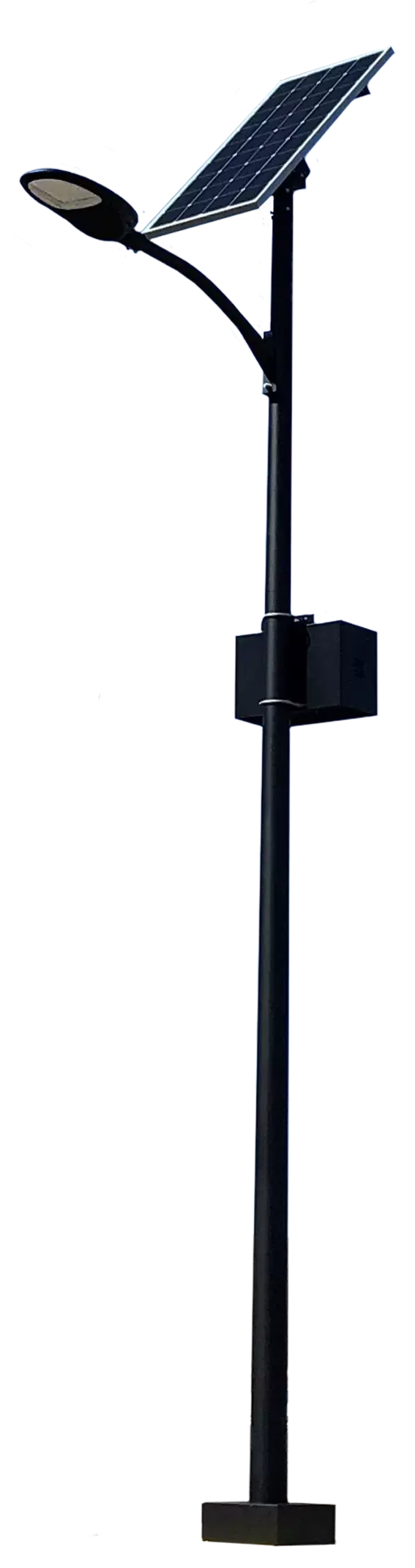
Brighta
Solar-powered street light pole featuring a 20-40 watt cobra-head style LED fixture with one solar panel.
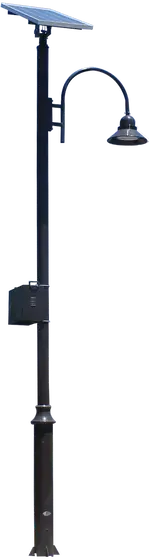
Lumina
A decorative design with the advanced CREE XPG-3 LED lamp, ranging from 30-80 watt.
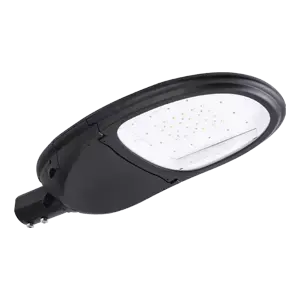
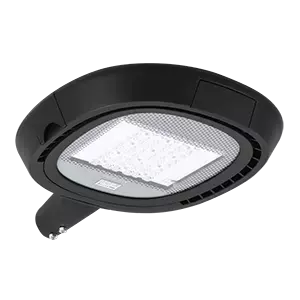
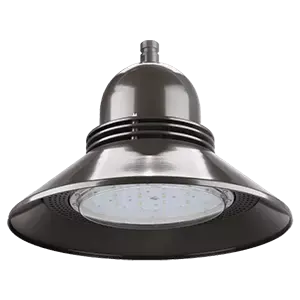
Tribal Solar Lighting Examples
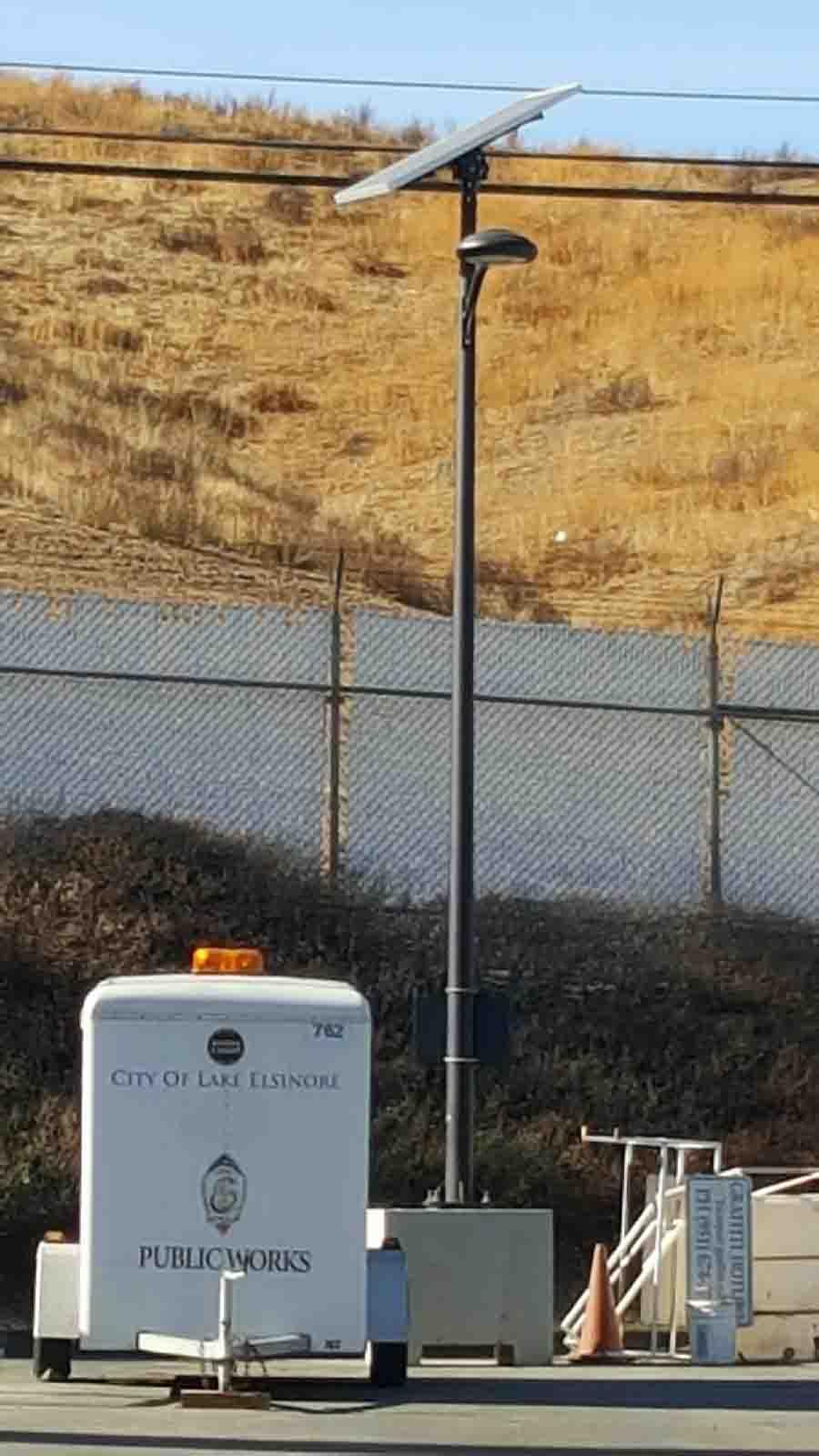
Portable Solar Lights for Parking Lot
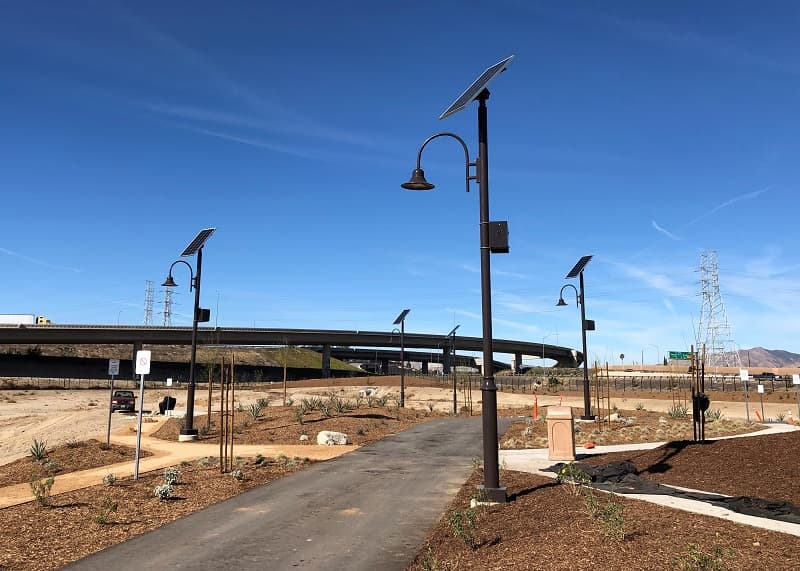
Solar Pathway Lighting
Ready to Light Your Community?
Contact our experts today for a customized solar lighting solution for tribal lands.