The Energy Management System: Controlling Power in a Solar Light
The energy management system is the single component most likely to make or break a solar light's performance. Here's how the driver and controller inside it actually work.
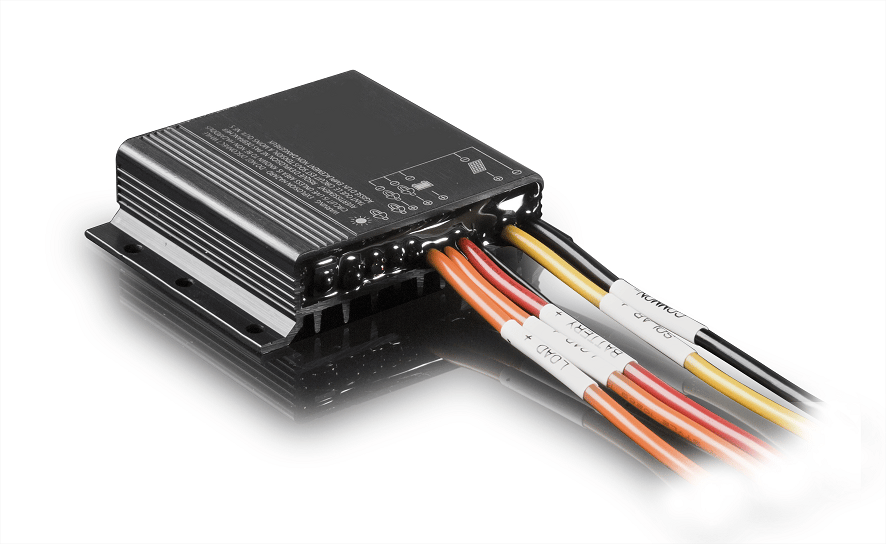
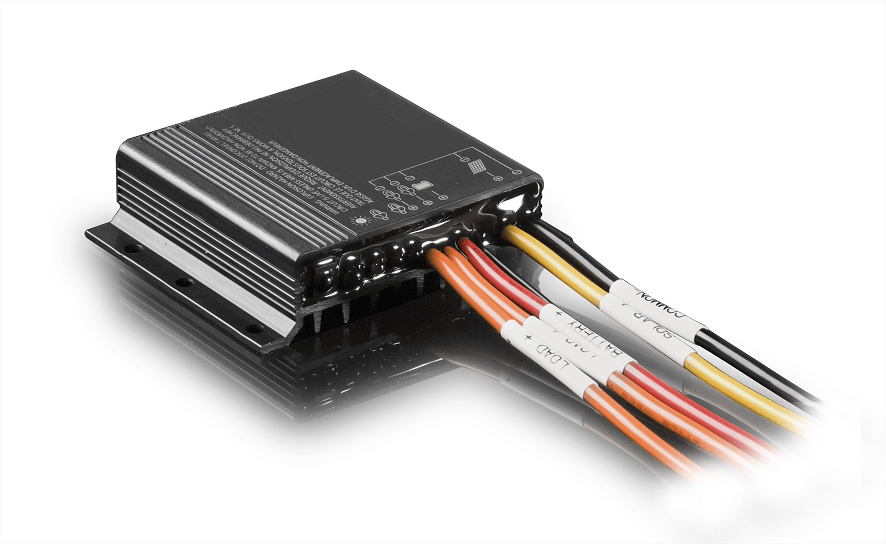
A solar light's energy management system, or EMS, is what keeps a fixture's battery properly charged and its LED properly powered, the mechanism that turns stored sunlight into reliable, controlled illumination after dark. Some higher-end systems add satellite monitoring for remote diagnostics, though that add-on is not generally recommended, since it adds a monthly expense that rarely pays for itself in a lighting application.
Two Components, One Job
The EMS is really two separate components, the driver and the controller, that may ship as separate parts or combined into a single unit. Without both functioning correctly, a solar light will malfunction, and a failure in either component can damage the fixture, the battery, or other parts of the system.
What the LED Driver Does
The driver controls the electrical flow reaching the fixture, adjusting brightness and protecting the LED from voltage surges that would otherwise shorten its life. Without a driver, an LED runs at full brightness continuously, wasting stored battery energy and burning through the LED's usable lifespan far faster than a properly regulated fixture would.
What Separates a Good Driver From a Bad One
Drivers are among the most frequently replaced components in a solar lighting system, largely because they sit under constant electrical stress. Cheap drivers commonly fail because the electrolytic capacitor gel inside them evaporates under heat over time. A quality driver holds voltage steady across parallel circuits and suppresses current spikes, and the best ones dim a fixture by pulsing current thousands of times per second rather than simply reducing current directly, a technique that preserves LED lifespan far better than a crude reduction would. External drivers with a proper IP rating also make field maintenance easier while keeping dirt and moisture out.
How the Controller Manages Charging
The controller's job is regulating power flow between the panel and the battery, preventing overcharging during the day and blocking reverse current flow at night that would otherwise drain the battery back through the panel.
| Controller Type | Capacity | Best Fit |
|---|---|---|
| PWM | Up to 60A, passive cooling | Affordable, proven technology; voltage must match battery voltage exactly |
| MPPT | Up to 80A | Reduces charge time, cuts cabling losses, and converts excess voltage into extra amps — ideal when batteries don't fully charge every day |
PWM controllers gradually taper charging as a battery nears full capacity, which protects long-term battery health. MPPT controllers, a newer technology, do more with the same panel, useful in installations where sunlight is limited or inconsistent.
Why the EMS Deserves This Much Attention
The energy management system takes on more constant electrical stress than almost any other part of a solar lighting installation, which makes it one of the most common points of failure over a fixture's lifetime. Choosing a quality controller and driver up front, rather than treating them as an afterthought behind the panel and battery specs, is one of the more reliable ways to protect a lighting investment's long-term performance and return.
Professional Consultation
Fill in your project details and one of our lighting experts will get back to you within 24 hours.
Questions? Call us at 949-609-9636
Financing Available
Greenshine partnered with Balboa Capital, a top-rated direct lender, to offer fast, easy, and affordable equipment financing options.
Learn more →