The Real Story of Solar Lights in Rainy Weather
Solar street lights can work normally on rainy days, provided they are correctly designed, installed, and maintained.
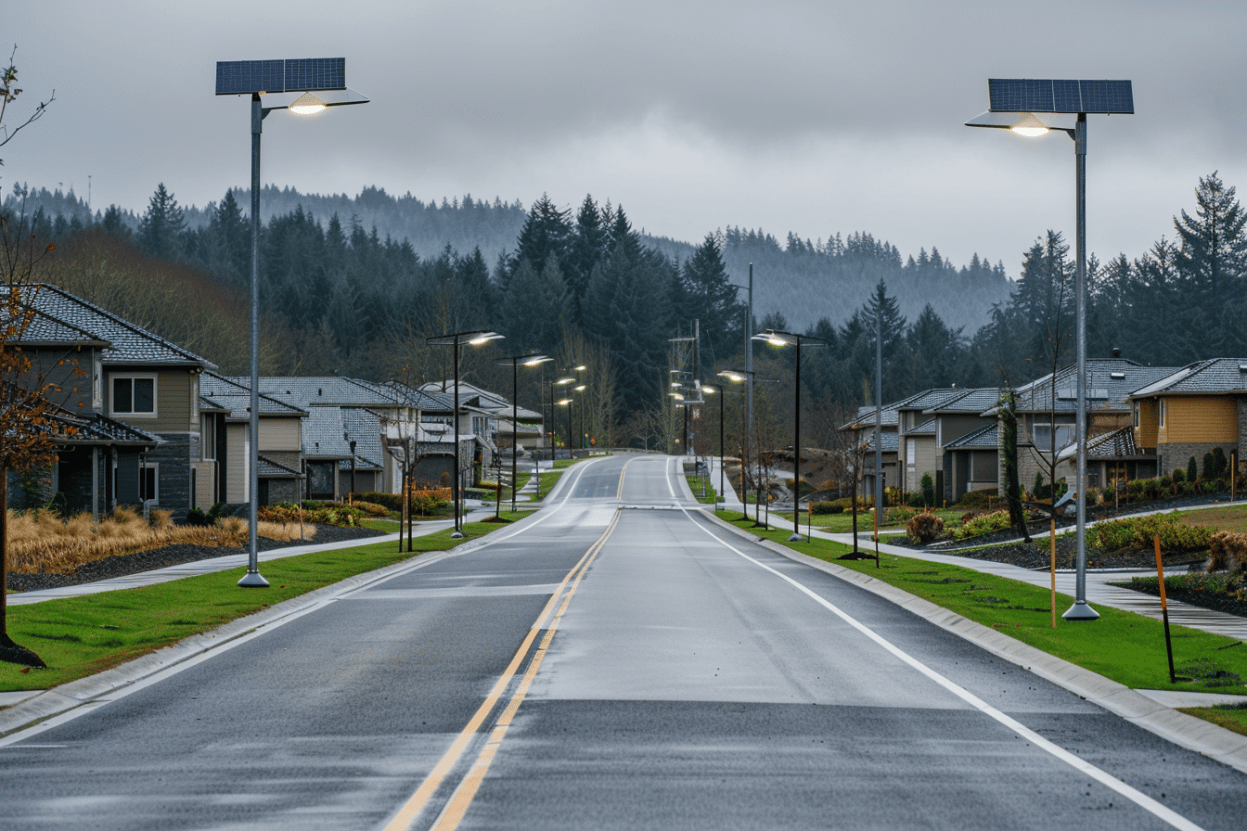
Can Solar Street Lights Work Normally on Rainy Days?
Solar street lights have become a popular choice for sustainable and cost-effective outdoor lighting. However, the efficacy of these lights on rainy days is often questioned. Let’s explore whether solar street lights can maintain their performance when the weather turns wet.
How Solar Street Lights Operate
Solar street lights function similarly to other solar-powered devices. They rely on photovoltaic panels to capture sunlight and convert it into electricity, which is then stored in batteries. These batteries power the street lights during the night. The key components that influence their performance include the solar panels, battery capacity, and the light's electronic management system.
Charging During Overcast Conditions
The primary concern during rainy days is the reduced sunlight, which can potentially impact the charging process of the solar panels. However, it’s important to note that solar panels do not require direct sunlight to function. They can still generate electricity from indirect sunlight. Modern solar panels are equipped with technology that allows them to capture a wider spectrum of light, enhancing their ability to charge even on cloudy or rainy days.
Solar Street Lights Efficiency Factors
The efficiency of solar street lights during rainy days depends on several factors:
- ✓Panel Quality and Technology: Higher quality panels equipped with advanced technology (like monocrystalline silicon ) have better light absorption capabilities.
- ✓Battery Capacity: Larger batteries can store more energy, providing a buffer for days when less sunlight is available.
- ✓Smart Energy Management: Many solar street lights come with smart controllers that manage energy consumption based on the stored power, adjusting brightness levels to ensure the lights can operate throughout the night.
Solar Street Lights Real-World Performance
In practice, most solar street lights are designed to account for days with less-than-ideal sunlight. Manufacturers often size the systems to ensure enough power is stored during the day to last through the night, considering local weather patterns over the year. Some systems are even designed to store extra power to last through several consecutive days without sufficient sunlight.
Solar Street Lights Maintenance and Upkeep During Rainy Days
Proper maintenance also plays a critical role in the performance of solar street lights during rainy days. Keeping the solar panels clean and free from debris allows them to function efficiently, regardless of weather conditions. Regular checks and maintenance ensure that all components are in good working order and can withstand various environmental factors.
Case Study: Solar Street Lights Performance in Seattle, Washington
Seattle’s average annual rainfall is about 37 inches, with the bulk of it concentrated in the fall and winter months. Despite the city's reputation for cloudy weather, it receives about 71 clear days per year, which is less than many other cities in the United States. Given these conditions, GREENSHINE solar street lighting systems were designed with high-capacity batteries and efficient panels to compensate for the lower sunlight availability.
Data was collected over one year, focusing particularly on the performance during the rainy season from November to January. Key metrics monitored included daily charge levels, hours of operation per night, and maintenance incidents.
Average Daily Charge: Even during the darkest months, the solar panels managed to charge the batteries to approximately 70% of their capacity on most days.
Operational Hours:The lights were programmed to operate from dusk till dawn. Throughout the year, the lights managed to operate on average 10 hours per night. During the winter, despite less charging, the smart energy management adjusted the output to maintain operation throughout the night.
Maintenance:The system required minimal maintenance. Biannual cleaning of panels and routine battery checks were the primary needs.
Conclusion
Yes, solar street lights can work normally on rainy days, provided they are correctly designed, installed, and maintained. While there might be a slight reduction in efficiency due to lower light levels, modern solar technology, and smart energy management systems ensure that these lights remain a reliable source of illumination, even during adverse weather conditions.
Professional Consultation
Fill in your project details and one of our lighting experts will get back to you within 24 hours.
Questions? Call us at 949-609-9636
Financing Available
Greenshine partnered with Balboa Capital, a top-rated direct lender, to offer fast, easy, and affordable equipment financing options.
Learn more →Related Articles
The Ultimate Guide to Buying a Portable Solar Light Tower (2026 Edition)
Buying a portable solar light tower in 2026 is one of the smartest moves a project manager can make. It solves the headache of fuel logistics, eliminates noise complaints, and slashes long-term costs.
Portable Solar Tower for Parking Lots
At Greenshine New Energy, we provide mobile and portable solar light towers designed to deliver bright, sustainable light anywhere — without wiring, fuel, or utility costs.
How Tall Are Solar Street Lights and Why It Matters for Your Project
Most solar street lights range from 12 to 30 feet, but the best performance comes from choosing a system designed for your project’s exact conditions — not a one-size-fits-all model.