Lighting Up Your Industrial Space with Solar Energy: A Guide to Solar Industrial Lights
Warehouses, loading docks, and industrial perimeters all need dependable lighting, and increasingly, that lighting comes from the sun rather than the grid. Here's what to weigh before switching.
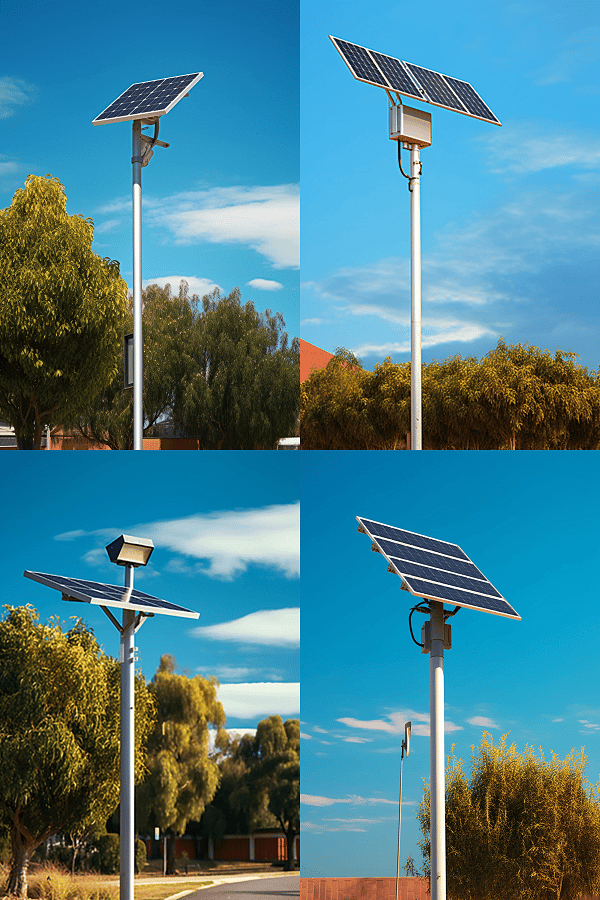
Industrial facilities run some of the least forgiving lighting environments there are: loading docks that need to be safely lit around the clock, perimeters that double as a security deterrent, and warehouse yards where a lighting failure creates a genuine safety hazard. Solar industrial lights, which convert sunlight into electricity through photovoltaic cells, have moved from a niche option to a mainstream choice for exactly these applications.
Why Facilities Are Making the Switch
- ✓Sustainability — solar industrial lighting reduces a facility's carbon footprint by relying on renewable energy instead of grid electricity generated from fossil fuels.
- ✓Cost efficiency — once installed, operating costs drop sharply, with minimal maintenance and no ongoing electricity bill for that circuit.
- ✓Reliability — modern systems provide dependable illumination even through cloudy days and long nights, typically built around energy-efficient LED fixtures for consistent performance.
- ✓Independence — off-grid operation works well in remote yards or facility sections where running new electrical service would be impractical.
- ✓Simple installation — setup takes a fraction of the time and cost of a wired lighting circuit.
Where Solar Industrial Lighting Gets Used
| Application | Why Solar Fits |
|---|---|
| Warehouses | Loading docks, storage areas, and distribution centers need consistent nighttime illumination without new wiring runs |
| Parking lots | Improves security and safety while cutting electricity costs on high-square-footage lots |
| Perimeter lighting | Deters intrusion along facility boundaries that are often far from existing power |
| Walkways and paths | Keeps pedestrian routes between buildings safe after dark |
| Billboards and signage | Illuminates advertising without running a dedicated electrical connection |
| Emergency lighting | Continues operating during grid outages, when it matters most |
What to Check Before Buying
- ✓Location and sunlight exposure — evaluate shading from buildings, equipment, or trees at the actual install site.
- ✓Battery capacity — confirm it's sized for the facility's cloudy-day and extended-night requirements.
- ✓Build quality — industrial environments are hard on equipment, so durable, weather-rated construction matters more here than in a residential install.
- ✓Lighting output — match brightness and coverage to the specific application rather than defaulting to the biggest fixture available.
- ✓Maintenance needs — periodic panel cleaning is normal; anything beyond that is a red flag.
- ✓Total cost of ownership — weigh upfront investment against realistic long-term energy savings, not just the sticker price.
The Case for Solar in Industrial Settings
None of this requires a facility to compromise on brightness or reliability. A properly specified solar industrial lighting system delivers the same dependable illumination a wired circuit would, without the ongoing electricity cost or the vulnerability that comes with depending on the grid to keep a loading dock or perimeter lit. For facilities managing tight operating budgets and real safety obligations at the same time, that combination is increasingly hard to pass up.
Professional Consultation
Fill in your project details and one of our lighting experts will get back to you within 24 hours.
Questions? Call us at 949-609-9636
Financing Available
Greenshine partnered with Balboa Capital, a top-rated direct lender, to offer fast, easy, and affordable equipment financing options.
Learn more →Related Articles
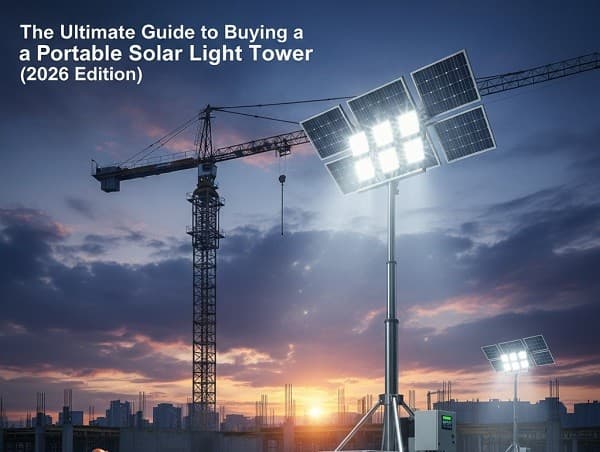
The Ultimate Guide to Buying a Portable Solar Light Tower (2026 Edition)
Buying a portable solar light tower in 2026 is one of the smartest moves a project manager can make. It solves the headache of fuel logistics, eliminates noise complaints, and slashes long-term costs.
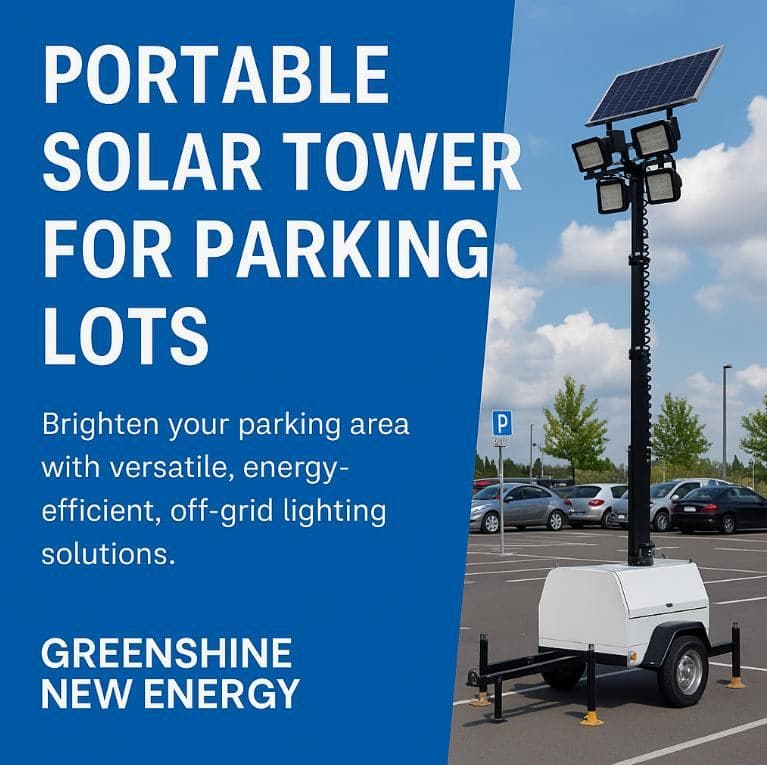
Portable Solar Tower for Parking Lots
At Greenshine New Energy, we provide mobile and portable solar light towers designed to deliver bright, sustainable light anywhere — without wiring, fuel, or utility costs.
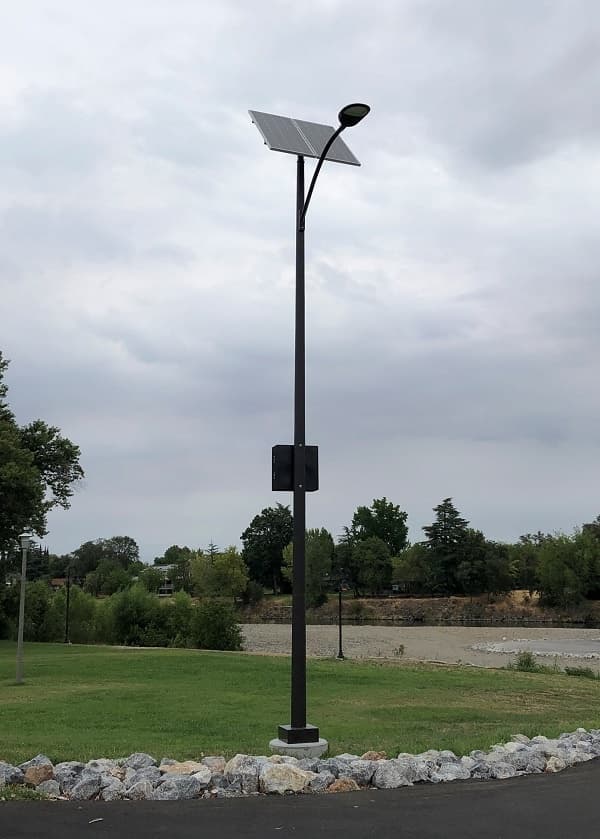
How Tall Are Solar Street Lights and Why It Matters for Your Project
Most solar street lights range from 12 to 30 feet, but the best performance comes from choosing a system designed for your project’s exact conditions — not a one-size-fits-all model.