What Lighting is Best for Parking Lots?
LED, metal halide, high-pressure sodium, or induction — here's how the major parking lot lighting technologies actually compare, and which one wins.
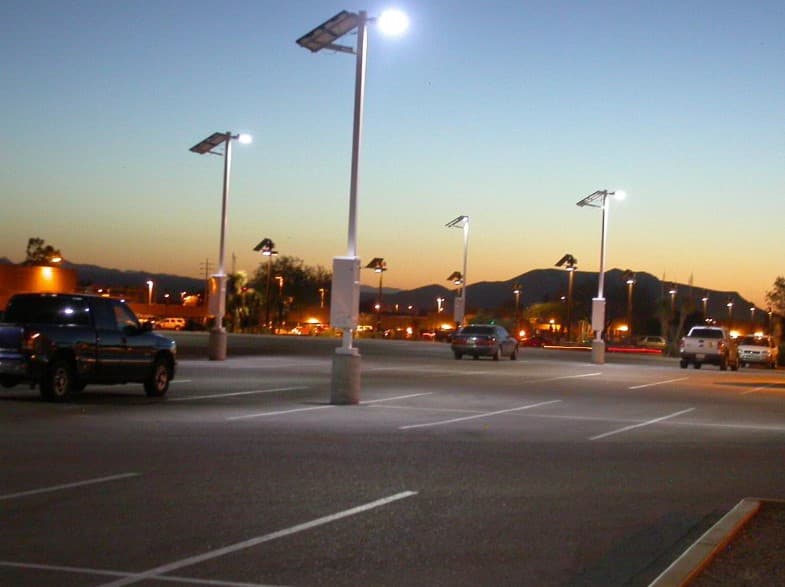
A dark parking lot is a liability in more ways than one — it invites accidents, gives cover to criminal activity, and leaves visitors with a bad impression before they've even reached the door. Choosing the right lighting technology is the first decision in getting a parking lot right, and not every option on the market delivers the same value.
LED Lighting
LED is the most popular parking lot lighting choice today, and for good reason. It's energy efficient, lasts far longer than older technologies, needs less maintenance, and renders color accurately enough that security footage and simple visual identification both work the way they're supposed to. Paired with a solar power source, LED fixtures also become the only option on this list that can run with zero ongoing electricity cost.
Metal Halide Lighting
Metal halide produces a bright, white light similar to daylight at a relatively affordable upfront cost, which made it a common choice for years. The tradeoffs are real, though — shorter lamp life, higher energy consumption than LED, and weaker color rendering that makes it a step down for lots that rely on cameras for security.
High-Pressure Sodium Lighting
High-pressure sodium fixtures cast the yellow-orange glow familiar from older highway and parking lot lighting. It's inexpensive to run, but the poor color rendering makes it genuinely harder to distinguish colors and details at night — a real drawback for a lot that depends on visual security.
Induction Lighting
Induction lighting uses a magnetic field rather than a filament or arc to produce light, giving it good efficiency, a long service life, and accurate color rendering. It's a solid technical option, but the higher upfront cost and ballast maintenance requirements make it a less common fit than LED for most commercial parking lot projects.
What Actually Matters in the Decision
- ✓Safety and security come first — poor lighting is the single biggest driver of nighttime parking lot incidents
- ✓Budget — upfront fixture cost versus long-term energy and maintenance cost
- ✓Energy efficiency — directly tied to ongoing operating cost over the fixture's lifespan
- ✓Lot size and layout — larger lots need a lighting plan, not just a fixture choice
The Verdict
For most parking lots, LED lighting is the clear winner — efficient, long-lasting, and compatible with solar power for lots where trenching a new electrical connection isn't practical or affordable. Already-paved lots in particular are a strong fit for solar LED fixtures, since there's no need to disturb finished pavement to run new wiring. Greenshine designs commercial solar parking lot lighting around exactly this combination: LED output paired with an off-grid solar system sized for the lot's actual traffic and safety needs.
Professional Consultation
Fill in your project details and one of our lighting experts will get back to you within 24 hours.
Questions? Call us at 949-609-9636
Financing Available
Greenshine partnered with Balboa Capital, a top-rated direct lender, to offer fast, easy, and affordable equipment financing options.
Learn more →Related Articles
Parking Lot Lighting 101: What You Should Know
Installing LED lighting for parking lots is comparatively less expensive than solar lighting.
Commercial Solar Parking Lot Lighting: What You Should Know
Greenshine solar LED parking lot light fixtures use CREE LEDs to provide a wide range of lighting intensity and distribution patterns to fit any shape or size of the parking lot.