Understanding Lumens per Watt: LED Grow Lights vs. HPS Grow Lights
Discover the efficiency battle between LED and HPS grow lights in our article on lumens per watt. Make an informed choice for your indoor gardening needs.
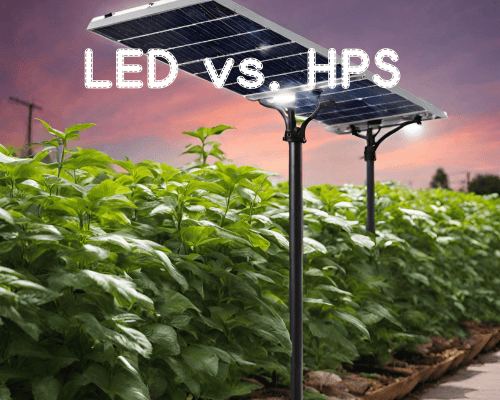
In the world of indoor gardening and horticulture, the debate over the most effective lighting source often boils down to the efficiency of lumens per watt. Two prominent contenders in this domain are LED (Light Emitting Diode) grow lights and HPS (High-Pressure Sodium) grow lights. Both have their unique advantages and limitations, making it crucial for growers to discern which lighting option suits their specific needs. Let's delve into the intricacies of lumens per watt efficiency and explore the differences between these two popular lighting systems.
Demystifying Lumens per Watt Efficiency
Lumens per watt (lm/W) serve as a metric to evaluate the efficacy of a lighting system. It measures the amount of light produced per unit of power consumed. A higher lumens per watt value indicates greater energy efficiency, as more light is generated with less energy consumption.
The Evolution of LED Grow Lights
LED grow lights have gained immense popularity in recent years due to their energy efficiency and versatility. LEDs operate by passing an electrical current through a semiconductor, which emits light. The lumens per watt for LED grow lights can range from 100 to 200 lm/W or even higher, making them highly efficient in converting electricity into usable light.
One significant advantage of LED grow lights is that they can be fine-tuned to emit specific wavelengths of light, including those in the red and blue spectra. This allows growers to tailor the light spectrum to match different plant growth stages, such as vegetative or flowering phases. LED grow lights also generate less heat, reducing the need for additional cooling equipment in indoor gardens.
The Dominance of HPS Grow Lights
HPS grow lights have a long history of use in horticulture. They produce light by passing an electrical current through a gas, which excites the sodium vapor, resulting in the emission of light. HPS lights typically have a lumens per watt rating in the range of 80 to 140 lm/W.
While HPS lights may not be as energy-efficient as LEDs, they are known for their ability to provide a broad spectrum of light, including a significant amount of red and orange wavelengths. This spectrum is well-suited for flowering and fruiting plants, making HPS lights a preferred choice for the bloom phase in many indoor gardens.
Comparing Lumens per Watt Efficiency
When evaluating the lumens per watt efficiency of LED and HPS grow lights, it becomes evident that LED lights often offer higher efficiency ratings, providing more light output per unit of power consumed. This superior efficiency translates to lower energy costs and a reduced environmental footprint over the long term.
Choosing the Right Lighting for Your Indoor Garden
When deciding between LED and HPS grow lights, it's important to consider your specific needs and goals for indoor gardening.
- ✓Energy Efficiency: LED grow lights are more energy-efficient, helping to reduce electricity costs over time.
- ✓Spectrum Control: LEDs offer precise control over the light spectrum, making them ideal for a wide range of plant growth stages.
- ✓Heat Management: LEDs produce less heat, which can be advantageous in maintaining a controlled environment.
- ✓Flowering and Fruiting: HPS lights are better suited for flowering and fruiting stages due to their spectrum.
- ✓Initial Cost: LED lights may have a higher upfront cost, but their long-term energy savings often justify the investment.
Looking Toward a Greener Future
As sustainability and energy conservation become increasingly crucial, the focus on optimizing lumens per watt efficiency in indoor agriculture will continue to grow. LED technology, with its promising energy-saving potential, is expected to play a pivotal role in shaping the future of sustainable horticulture and indoor farming.
Conclusion
Understanding the nuances of lumens per watt efficiency is essential for any grower aiming to maximize both crop yield and energy conservation. While LED grow lights outperform HPS grow lights in terms of energy efficiency, the choice between the two ultimately depends on the specific requirements of the cultivation environment. By leveraging the strengths of each lighting system, growers can create optimal conditions for the healthy growth and development of their crops while contributing to a more sustainable future for indoor agriculture.
Professional Consultation
Fill in your project details and one of our lighting experts will get back to you within 24 hours.
Questions? Call us at 949-609-9636
Financing Available
Greenshine partnered with Balboa Capital, a top-rated direct lender, to offer fast, easy, and affordable equipment financing options.
Learn more →Related Articles
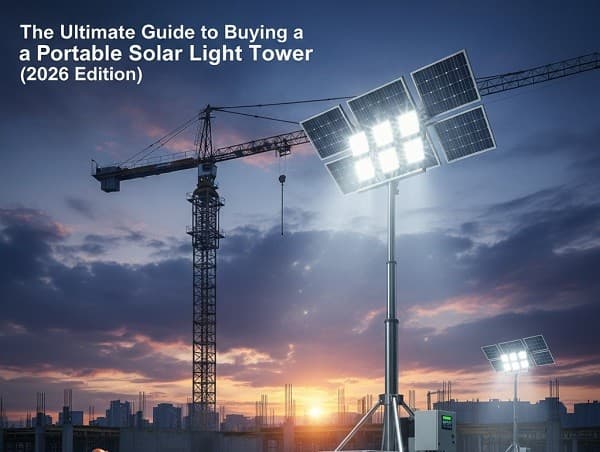
The Ultimate Guide to Buying a Portable Solar Light Tower (2026 Edition)
Buying a portable solar light tower in 2026 is one of the smartest moves a project manager can make. It solves the headache of fuel logistics, eliminates noise complaints, and slashes long-term costs.
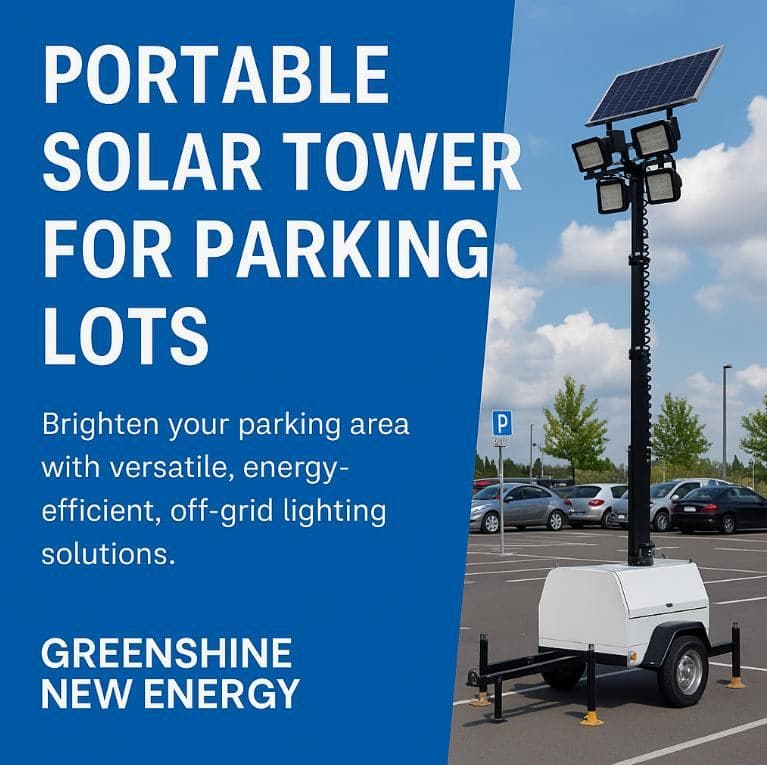
Portable Solar Tower for Parking Lots
At Greenshine New Energy, we provide mobile and portable solar light towers designed to deliver bright, sustainable light anywhere — without wiring, fuel, or utility costs.
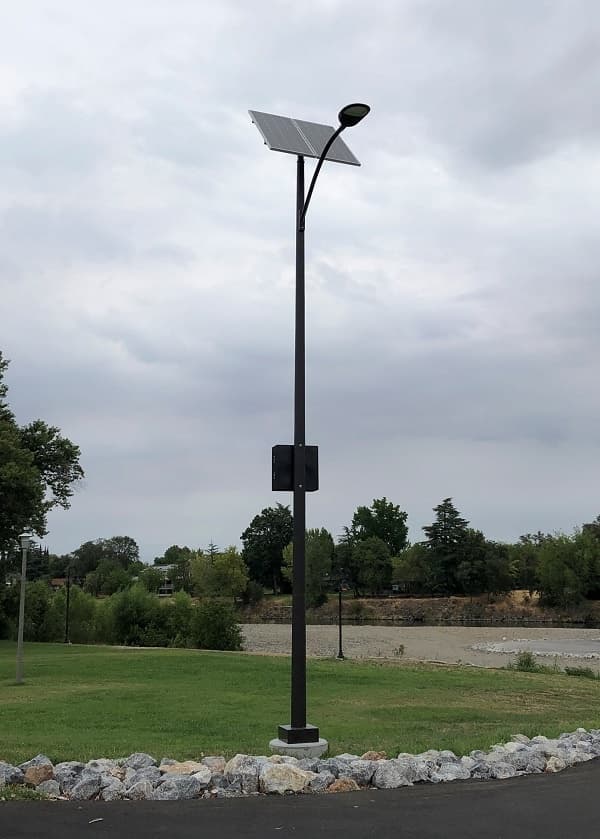
How Tall Are Solar Street Lights and Why It Matters for Your Project
Most solar street lights range from 12 to 30 feet, but the best performance comes from choosing a system designed for your project’s exact conditions — not a one-size-fits-all model.