What Are the Solar Light System Components?
A solar light looks simple from the street, but underneath the pole is a system of parts that all have to work together. Here's what actually makes up a Greenshine solar lighting system.
A solar light is, at its core, a system of parts working in harmony: components that generate power from sunlight, store that power, and release it efficiently to light a specific area after dark. Understanding what those parts are, and what separates a quality version of each from a cheap one, makes it much easier to evaluate a spec sheet before buying.
The Panel
The solar panel is the system's power source, and it comes with its own mounting hardware and angling brackets to capture sunlight at the right orientation for the site's latitude. Panel design has to balance material strength against weight, since the panel sits exposed to weather for the life of the system; heavier is not automatically more durable, and the best panels are engineered for that long-term exposure rather than just peak output on day one.
The Fixture
The fixture houses the LEDs themselves, typically wired in a parallel configuration rather than in series, since a parallel circuit keeps the rest of the fixture running even if a single LED fails. The classic cobra-head shape remains the most common fixture style for street lighting, though Greenshine also offers architectural solar LED fixtures for sites where aesthetics matter as much as output.
The Energy Management System
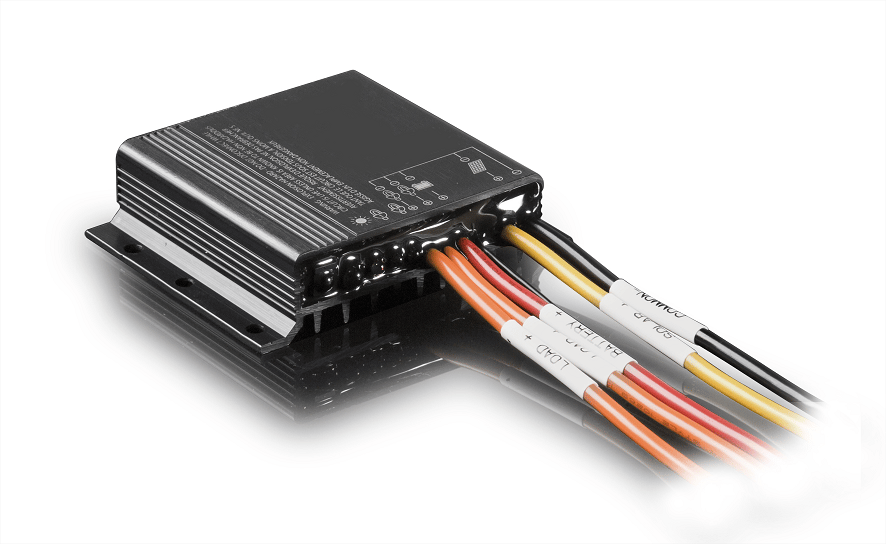
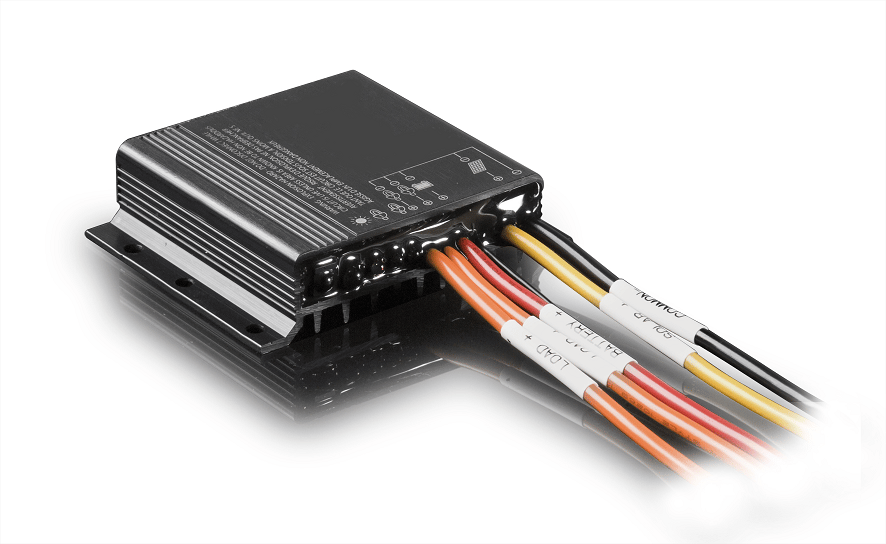
Often described as the brains of the system, the energy management system, or EMS, controls how power flows between the fixture, panel, and battery. It manages light output through the night and protects battery health over the system's lifespan; a poorly designed EMS is one of the more common reasons a solar light underperforms despite having a perfectly good panel and battery.
The Pole, Battery, and Everything Else
- ✓Pole — quality poles ship with felt protection to prevent damage in transit and typically carry a 50-year design life, though height and material vary by application.
- ✓Battery — arrives with the wiring, battery box, and mounting hardware needed for installation; some installations bury the battery underground to protect it from extreme cold.
- ✓Miscellaneous hardware — wire harnesses, fixture arms, mounting brackets, and other small parts that rarely get attention but are just as capable of causing a field failure if they're cheaply made.
What Quality Actually Looks Like
A handful of standardized documents separate a well-engineered fixture from a marketing claim. LM-79 and LM-80 testing data, along with TM-21 lifespan projections, document LED efficiency, chromaticity, temperature performance, and expected lifespan; real manufacturers can produce these on request, and their absence is a reasonable reason for skepticism. On the hardware side, look for 201 stainless steel nuts and bolts, four-millimeter cross-section electrical cables, and clearly labeled waterproof connectors. Even shipping protection is a tell: felt padding protects panels and fixtures far better than cardboard or bubble wrap during transit, and manufacturers who bother with it tend to bother with the rest of the build too.
Why the Whole System Matters
None of these components does much good on its own; a great panel paired with a weak EMS, or a strong battery paired with a poorly wired fixture, still produces an unreliable light. Evaluating a solar lighting system means looking at how well every one of these parts is specified and built together, not just checking the headline lumen output on the box.
Professional Consultation
Fill in your project details and one of our lighting experts will get back to you within 24 hours.
Questions? Call us at 949-609-9636
Financing Available
Greenshine partnered with Balboa Capital, a top-rated direct lender, to offer fast, easy, and affordable equipment financing options.
Learn more →