Pennsylvania Mining Operations Meet MSHA Standards with Solar Security Lighting
Pennsylvania Mining Operations Meet MSHA Standards with Solar Security Lighting
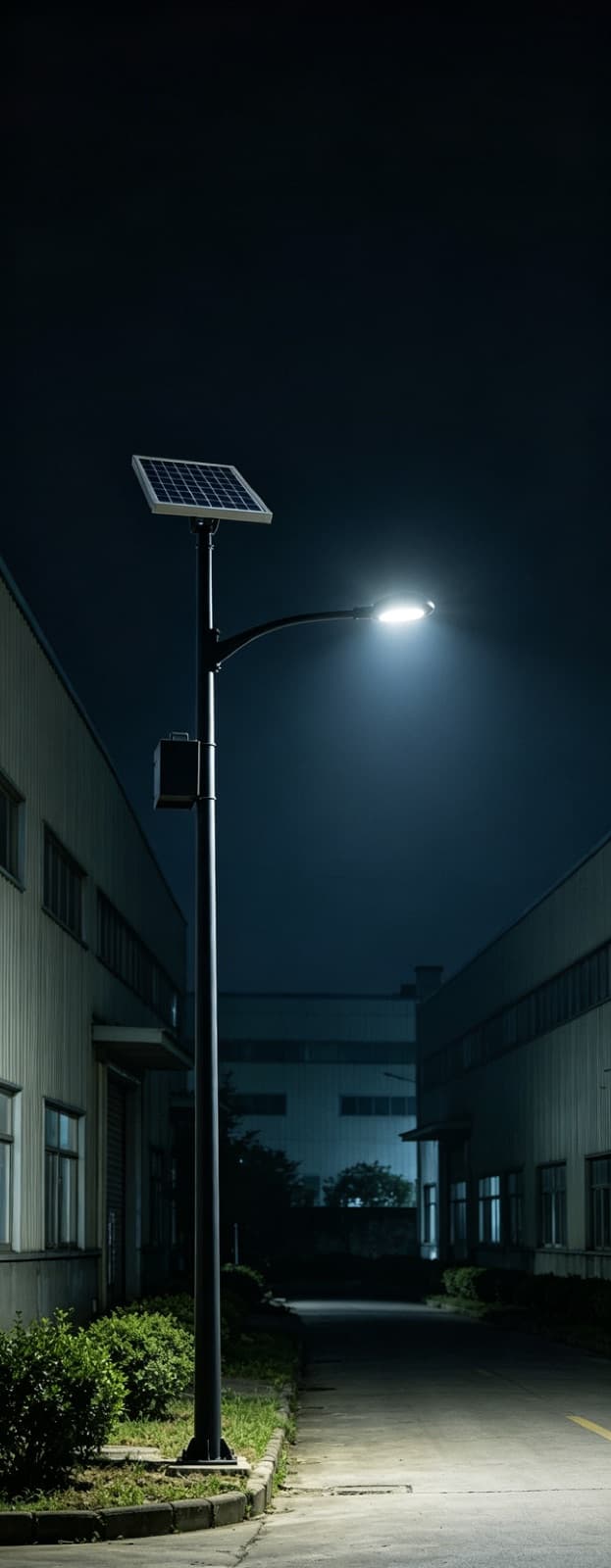
Pennsylvania Mining Operations Meet MSHA Standards with Solar Security Lighting
Consistent, compliant illumination is not optional – it's federal law. Solar light towers help Pennsylvania mines stay within regulations while slashing fuel costs.
A single citation for inadequate illumination can trigger an MSHA inspection, a significant-and-substantial (S&S) determination, and weeks of costly remediation. For Pennsylvania mining operations, compliance with 30 C.F.R. §56.17001 ("Illumination sufficient to provide safe working conditions") is an ongoing operational challenge.
Here's what mine operators across the state are discovering: solar security lighting provides more consistent, higher-quality illumination than diesel generators, operates far more reliably, and satisfies state and federal regulators more efficiently – all while eliminating fuel costs.
The Real Cost of Failing Illumination Standards
In January 2025, a Pennsylvania coal operation lost a miner when a mobile bridge carrier pinned the operator against the coal rib – a powered haulage accident that ranked among the leading causes of mining fatalities nationwide. In total, 2025 recorded 33 mining fatalities across the United States, a 27 percent increase from the prior year. Powered haulage led the fatalities with 13 deaths, followed by machinery and other equipment-related incidents. Pennsylvania accounted for two of those fatal mining accidents – both at coal operations.
In every case, poor visibility was either a direct cause or a contributing factor.
MSHA's illumination standard at 30 C.F.R. §56.17001 is deliberately broad, requiring "Illumination sufficient to provide safe working conditions" across all surface structures, walkways, loading sites and work areas. Inspectors are not required to take light meter readings; a single inoperable light fixture combined with an inspector's visual observation can trigger a significant-and-substantial citation.
That means every mining operation needs lighting that is consistently reliable, uniformly bright and documented as compliant. The margin for error is essentially zero.
Recent Proposed Rulemaking Trends: In July 2025, MSHA published several deregulatory proposals, including removing requirements for methods in measuring luminous intensity with a photometer under 30 CFR part 75. While this simplifies compliance pathways, the core illumination standard remains unchanged. Mine operators still need sufficient lighting to deliver safe working conditions – but they now have more flexibility in how they measure and demonstrate that compliance. Solar light towers, with their predictable, high-quality LED illumination, fit seamlessly into both the old and emerging regulatory frameworks.
Beyond Compliance: Lighting, Miner Health, and Cognitive Performance
Regulation compliance is the floor, not the ceiling. A growing body of research confirms that lighting quality directly impacts miner safety and productivity in ways that MSHA standards alone don't fully capture.
A 2024 study published in Heliyon examined the relationship between illumination levels and miners' psychological states. The researchers found that poor lighting in underground coal mines easily causes psychological irritability among miners, directly leading to accidents. The study determined that optimal illumination levels fall between 200 and 300 lux – where miners demonstrated the highest accuracy, fastest reaction times, and best overall performance. Conversely, when illumination dropped below 200 lux, cognitive performance declined markedly; above 300 lux, additional light provided no further benefit and in some cases reduced performance.
This research has direct implications for surface operations as well. Diesel light towers, subject to fuel shortages, engine failures, and inconsistent maintenance, often produce illumination that falls into suboptimal ranges – either insufficient during low-fuel periods or unevenly distributed across work zones. Solar towers provide consistent 200–300 lux illumination across defined coverage areas. With no fuel supply interruptions and no engine reliability concerns, solar helps maintain optimal lighting levels continuously, supporting miner alertness and reducing the psychological fatigue that contributes to accidents.
Beyond psychological impact, optimized mine lighting has been shown to reduce slip, trip, and fall incidents – which account for approximately 22 percent of all non-fatal mining injuries – by creating consistent visibility across entire work zones. Properly illuminated mine sites also decrease worker alertness deficits, productivity losses, and slowed reaction times that degrade cognitive function in insufficiently lit environments. Solar security lighting delivers not only regulatory compliance but measurable safety performance improvements beyond what MSHA mandates, supporting the "safety beyond compliance" standard that modern mining operations are expected to maintain.
Diesel Light Towers Fail the Compliance Test
Diesel light towers introduce three compliance vulnerabilities that solar solutions eliminate entirely:
- ✓Refueling gaps cause dark zones. When a fuel delivery is missed – due to rising diesel costs, adverse weather, damaged haul roads or supply disruptions – diesel generators run dry. Dark areas become immediate compliance and liability risks.
- ✓Vibration and heat degrade illumination consistency. Diesel engines shake fixtures loose over time. Generators exhaust heat and particulate across work areas. Crews who are also tasked with maintenance often deprioritize light tower servicing, resulting in diminished or uneven output.
- ✓Noise and emissions increase operational friction. Pennsylvania's Department of Environmental Protection (DEP) and local municipalities increasingly restrict generator use near residential areas and protected lands. Every noise complaint or emissions citation diverts management attention away from core mining operations.
Solar Light Towers Solve All Three Problems
Solar light towers operate quietly, deliver consistent night-after-night illumination and require no refueling or engine maintenance. Here is how they align site lighting with MSHA expectations.
style="padding-inline-start: 48px;" class=" list-paddingleft-2">
- ✓100% illumination uptime. Solar towers generate their own power through high-efficiency monocrystalline panels, with battery banks providing 3-5 nights of continuous operation. When the sun is low, stored energy maintains full output. No fuel deliveries, no engine failure, no compliance failures.
- ✓Durable and low maintenance. Solar towers have no engines, no oil changes, no fuel filters and no moving parts. Gel lead-acid batteries are sealed, maintenance-free and engineered to withstand Pennsylvania's full seasonal temperature range – from humid summers to freezing winters.
- ✓Remote monitoring via Bluetooth reports battery state, light status, and other key indicators, helping mine superintendents document compliance for MSHA inspections without sending additional personnel into the field.
Solar Lighting Market Growth and Supply Chain Trends
The case for solar-powered lighting extends beyond individual mine economics. The global solar lighting system market was valued at USD 12.2 billion in 2025 and is projected to reach USD 33.14 billion by 2034, growing at a compound annual rate of 11.75 percent.
Several trends driving this growth directly benefit Pennsylvania mining operations:
- ✓Intelligent controls and connectivity: Modern solar lighting systems integrate motion detection, ambient light sensing, and adaptive dimming, optimizing energy utilization while maintaining safety standards.
- ✓Advanced battery technology: Rapid improvements in energy storage allow solar systems to deliver longer illumination hours and improved reliability during extended low-sunlight conditions – critical for Pennsylvania's cloudy winter months.
- ✓Modular and scalable designs: Simplified installation and maintenance reduce deployment costs and downtime.
- ✓North America's market share: North America accounted for approximately 33 percent of the global solar lighting market in 2025 – the largest regional market share – reflecting accelerated adoption of sustainable infrastructure across commercial and industrial sectors.
For Pennsylvania mines, a growing and maturing solar lighting market means more reliable component supply chains, better pricing, and proven technology that continues to improve year over year.
Pennsylvania's Solar Momentum: From Abandoned Mine Lands to Renewable Energy Hubs
The Commonwealth has signaled strong support for solar development on mining lands.
- ✓In May 2024, Lt. Gov. Austin Davis and DEP Acting Secretary Jessica Shirley announced a new solar farm in Beaver County that will direct proceeds to the Dollar Energy Fund to assist low-income households with utility bills. The administration noted that nearly 169,000 acres of abandoned mine lands across Pennsylvania could potentially host similar solar facilities.
- ✓Pennsylvania's Solar Future Plan sets a goal of generating 10 percent of the state's electricity needs from solar by 2030.
- ✓The U.S. Department of Energy has awarded up to $475 million for clean energy projects on mine lands across five states, including Pennsylvania. Pennsylvania stands to receive the largest share at $244.8 million to tackle abandoned coal mine sites.
- ✓The DEP's Assessment of Solar Development on Previously Impacted Mine Lands in Pennsylvania report found that putting solar panels on just a small fraction of suitable abandoned mine lands could produce enough electricity to power Pittsburgh. The report recommends a goal of 9,000 acres (or 1,500 megawatts) of solar facilities on previously mined sites by 2032.
- ✓In Rush Township, Centre County, the Black Moshannon Solar project was approved to generate 265 megawatts of electricity, enough to power 200,000 homes annually, while reclaiming nearly 2,000 acres of toxic mine land. The project is expected to provide more than $5 million in tax revenue to the local school district and over $700,000 in direct tax payments to Centre County.
- ✓The Mineral Basin Solar project in Clearfield County repurposes nearly 2,700 acres of former coal mining land into a 402 MW solar facility – the largest solar facility in Pennsylvania and one of the largest in the United States to be sited on former mine land, generating enough clean energy to power more than 70,000 homes. Swift Current Energy is developing more than 1,000 MW of solar and storage capacity on reclaimed coal mines throughout Pennsylvania.
- ✓The Sarish Solar Project in Burgettstown transformed a former coal mine waste site that had sat abandoned for 80 years into a 26 MW solar farm. The site featured steep 30 percent slopes, rock ledges, and acidic soil requiring 80 tons of lime for treatment – terrain so challenging it was considered "economically unbuildable" by conventional standards. Using innovative all-terrain tracker technology, the project became operational in the second quarter of 2025 and earned a POWER Top Plant Award in the renewable energy category.
This policy environment reinforces the financial and compliance logic of transitioning mine support equipment like lighting to solar power. The same momentum driving utility-scale solar development on abandoned mine lands extends naturally to the adoption of solar lighting systems for active mining operations.
Avoiding "Illumination Deserts": When Diesel Fails, Solar Delivers
Mining operations face a risk rarely discussed in compliance manuals: illumination deserts – areas that become unlit not due to equipment failure but due to systemic dependencies on fuel supply chains.
When diesel towers run out of fuel, the resulting dark zones create cascading compliance failures:
- ✓No refueling during severe weather. Pennsylvania winters bring ice storms, snow closures, and impassable rural roads. Fuel deliveries stop – yet mines continue operating.
- ✓No contingency for supply disruptions. The 2025 refinery disruptions and global oil market volatility demonstrated how quickly fuel supply chains can tighten, with diesel prices rebounding due to refinery disruptions and steady freight demand. Mines dependent on "just-in-time" fuel deliveries for lighting face direct compliance exposure.
- ✓No alternative when diesel engines fail. A diesel tower that requires major engine repair may be out of service for days or weeks – especially at remote sites where replacement parts and specialized mechanics are not immediately available.
Solar towers have no such dependencies. They are immune to fuel supply disruptions, weather-related delivery failures, and mechanical breakdowns of internal combustion engines. A solar tower that is properly maintained will illuminate every night, regardless of what happens at the fuel terminal or on the highway.
This reliability advantage translates directly into regulatory peace of mind. MSHA inspectors do not accept "the fuel truck didn't come" as an excuse for inadequate illumination. Solar lighting eliminates that excuse entirely.
For Mine Operators: A Prioritized Path to Compliance
Converting existing diesel light tower fleets to solar does not require massive capital outlay or extended downtime.
- ✓Run a lighting simulation. Model your site's actual illumination requirements using field dimensions, activity zones, and MSHA-mandated coverage areas. Many mines find they need 20-30% fewer solar towers than diesel units.
- ✓Target high-scrutiny areas first. Replace diesel lighting at loading and dumping sites, walkways, and active work zones where MSHA citations are most likely.
- ✓Leverage the 30% ITC. The federal tax credit substantially reduces net upfront cost. Consult your tax advisor regarding eligibility under Section 48E.
Why Solar Lighting Belongs in Pennsylvania Mines
Pennsylvania's mining industry cannot afford interruptions. Every citation, every missed shift and every accident review costs money and reputation. Solar light towers deliver what diesel generators cannot: consistent, regulation-ready illumination that is immune to fuel price spikes, weather delays, and maintenance failures.
The question is no longer "Is solar bright enough for MSHA?" It is "Is diesel reliable enough to keep my mine in compliance tomorrow night?"
References
- ✓30 CFR §56.17001 – Illumination of surface working areas. Mine Safety and Health Administration (MSHA). Retrieved from Code of Federal Regulations.
- ✓Study on the change of miners' psychological state under different illuminance levels. Heliyon, Volume 10, Issue 15, 15 August 2024, e34843. Available at: ScienceDirect.
- ✓Mine Site Lighting Benefits: Boost Productivity and Visibility. Razorlux, 17 December 2025.
- ✓Alternative Fuels Data Center: Pennsylvania Transportation Data for Alternative Fuels and Vehicles. U.S. Department of Energy.
- ✓GlobalPetrolPrices.com – Diesel prices in Pennsylvania, 29-Dec-2025 to 06-Apr-2026.
- ✓"One Big Beautiful Bill Act" Changes to Energy Tax Credits. Clean Energy Business Network / Kirkland & Ellis LLP.
- ✓OBBBA – Changes to tax incentives for wind and solar. Eaton Corporation.
- ✓Approved Rush Township solar project to reclaim 2,000 acres of toxic mineland for clean energy development. Environment America, 10 December 2025.
- ✓PA Environment Digest – Lt. Governor, Acting DEP Secretary Highlight Potential of Solar Power on Abandoned Mine Lands. 16 March 2026.
- ✓US allocates $475 million to build clean energy projects on mine sites. Power Engineering International, 25 March 2024.
- ✓Mineral Basin: Coal-to-Solar in Pennsylvania project. Renewable Energy Magazine / Swift Current Energy.
- ✓Reclaimed Coal Mine Shines Spotlight on Innovative Solar System (Sarish Solar Project). Certrec / POWER Magazine, 4 September 2025.
- ✓Solar Lighting System Market Size, Share & Industry Analysis, 2026-2034. Fortune Business Insights.
- ✓Investment Tax Credit (ITC) – Section 48E / OBBBA safe harbor deadlines. Internal Revenue Service / Tax Package Resource Center.
- ✓Mining fatalities data – 2025 Mine Safety and Health Administration. Pit & Quarry / MSHA reports.
Meta Description:
Pennsylvania mining operations meet MSHA standards with solar security lighting. Achieve 100% illumination uptime, eliminate fuel dependency, and qualify for 30% ITC. Consistent, compliant, cost-effective.
Professional Consultation
Fill in your project details and one of our lighting experts will get back to you within 24 hours.
Questions? Call us at 949-609-9636
Financing Available
Greenshine partnered with Balboa Capital, a top-rated direct lender, to offer fast, easy, and affordable equipment financing options.
Learn more →Related Articles
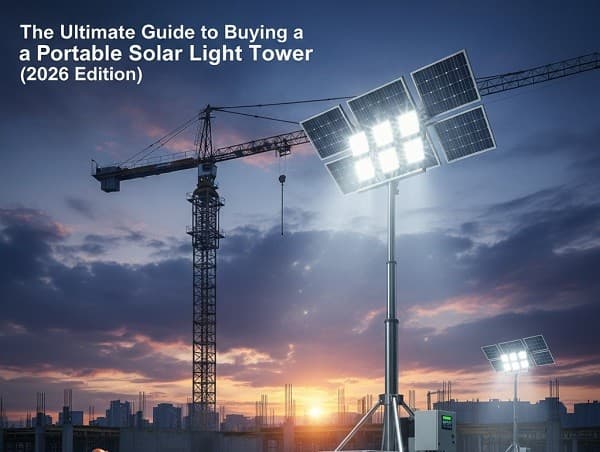
The Ultimate Guide to Buying a Portable Solar Light Tower (2026 Edition)
Buying a portable solar light tower in 2026 is one of the smartest moves a project manager can make. It solves the headache of fuel logistics, eliminates noise complaints, and slashes long-term costs.
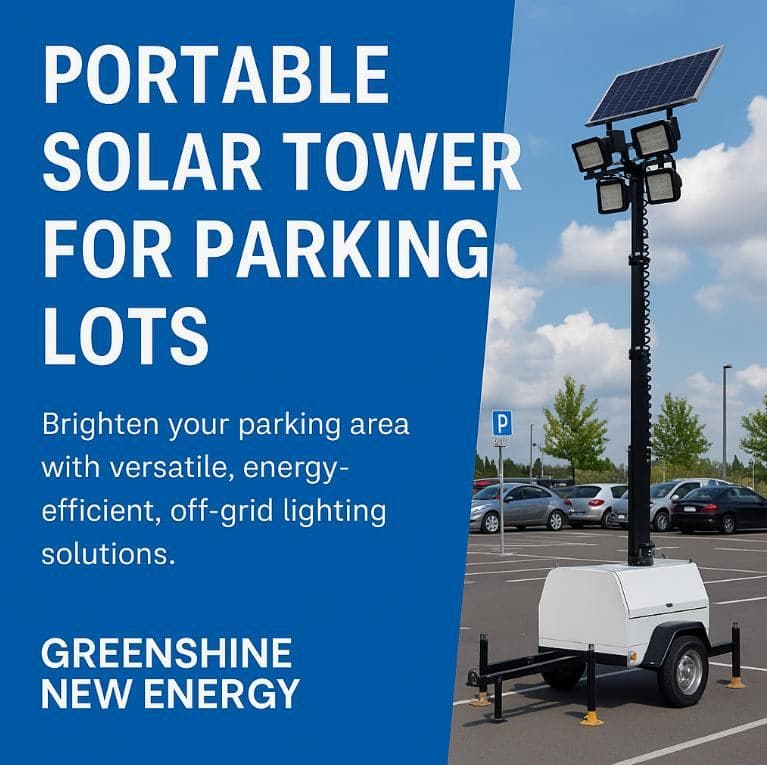
Portable Solar Tower for Parking Lots
At Greenshine New Energy, we provide mobile and portable solar light towers designed to deliver bright, sustainable light anywhere — without wiring, fuel, or utility costs.
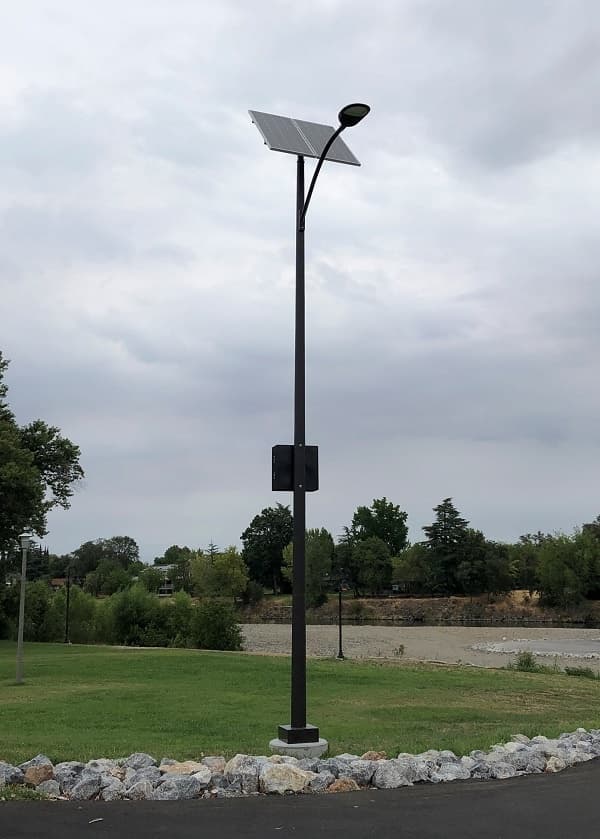
How Tall Are Solar Street Lights and Why It Matters for Your Project
Most solar street lights range from 12 to 30 feet, but the best performance comes from choosing a system designed for your project’s exact conditions — not a one-size-fits-all model.