LED 101
We often hear or use the term LED. But do we know what those are? And to what extent are they used today? This text offers a bit of context on these marvelous light fixtures, useful for anything from signaling that your phone is done…
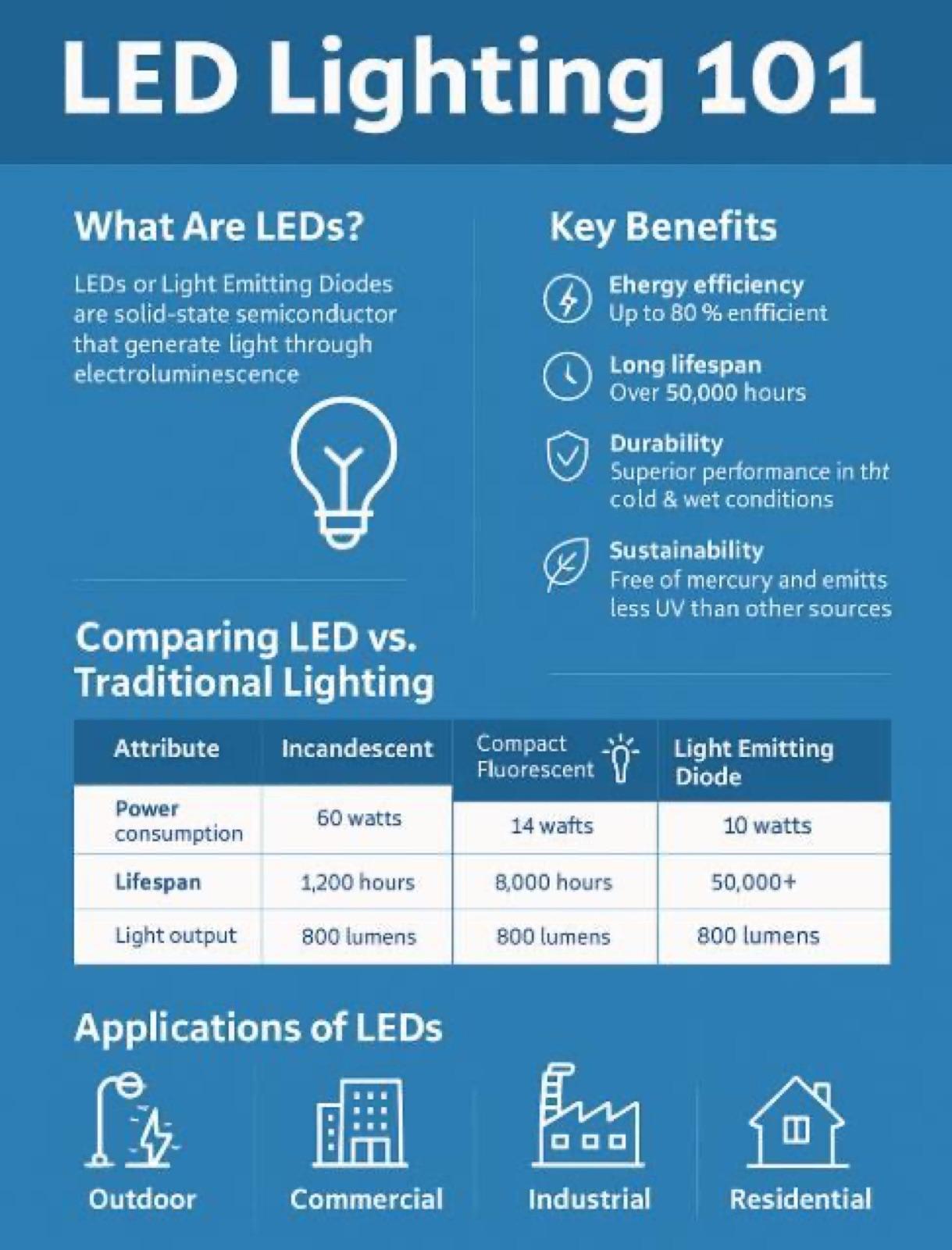
We often hear or use the term LED. But do we know what those are? And to what extent are they used today? This text offers a bit of context on these marvelous light fixtures, useful for anything from signaling that your phone is done charging to solar-led parking lot lights, aircraft lights, and more.
What Is an LED, Really?
LED is an acronym that stands for Light Emitting Diode. It works on the principle of electroluminescence, meaning that it emits light when electricity is applied. When the current is flowing, the electrons move, and the protons are released. The color of the light emitted depends on the band gap of the material from which the semiconductor in the LED is made.
History
LEDs haven't been with us for long, but they have existed more than most of us assume. They first came into use in the 60s. However, you wouldn't have been able to see the light emitted by the first LEDs, since it was infra-red, below the spectrum of light visible by humans. However, this part of the spectrum was useful for the first remote controllers (and is still used for this purpose). The first visible light LEDs came into existence soon after. However, these diodes were always very dim and limited to the lower end of the visible spectrum, i.e. red and orange.
Improvements
As a promising field of technology, LED market has seen many improvements over its fifty-year-long existence. One such achievement was the creation of the blue LED in the early 70s. However, these lights were again pretty dim, and only in the 90s did that change, when a bright blue diode was introduced. This moved the LEDs from the red part of the spectrum and limited their usefulness as indicator lights and the like. However, the real breakthrough came when the white light was first attained by an LED.
White LEDs
The white light of the first LEDs came through trickery, rather than through superior technology. The bright blue LED was simply coated in a substance that absorbs some of the blue light and produces yellow light via fluorescence. This yellow light mixes with the remaining blue light to produce a white. However, red and green illuminated by this light source were pretty difficult to discern, so it wasn't very useful. However, different coatings were able to produce red and green lights in addition to the blue diode light. This mixture gave a more natural white. With some refinement, these lights started replacing incandescent lights all over the world.
Current Technologies
This field of technology never sleeps and is constantly refining the final product, whether by adding power or finding new uses for it. One such innovative technology is OLED, or Organic LED. OLED devices do not necessarily have the shape of a typical LED. The electro-conductive material is made from an organic compound. This technology is great for displays, because it doesn't need much energy (compared to a regular LED), and because it can display high contrasts.
Efficiency Explained: Why LEDs Are Revolutionizing Lighting
Compared to traditional light sources:
| Light Type | Average Lumens per Watt | Lifespan |
|---|---|---|
| Incandescent | 10–17 | ~1,200 hours |
| CFL | 35–60 | ~8,000 hours |
| Metal Halide | 60–110 | ~15,000 hours |
| LED | 80–180+ | 50,000–100,000+ |
LEDs not only consume less power—they last exponentially longer, require zero warm-up time, and maintain light output with minimal degradation over their lifespan.
LED Lighting & Sustainability
Sustainability isn't just about energy savings—it's also about materials, disposal, and lifecycle cost.
- ✓Mercury-free: Unlike CFLs, LEDs are non-toxic and safe to recycle.
- ✓Directional lighting: LEDs shine where needed, avoiding light waste and reducing pollution.
- ✓Low maintenance: Fewer replacements reduce landfill waste and maintenance labor.
When paired with solar energy, LED lighting systems become entirely grid-independent, eliminating carbon output while reducing utility costs to zero.
The Smart Side of LEDs: Controls and Sensors
Modern LED lighting systems often integrate with:
- ✓Motion sensors: For dimming or activation based on movement
- ✓Photocells: For dusk-to-dawn automation
- ✓Wireless controllers: Allow remote scheduling and diagnostics
- ✓Smart city platforms: To integrate lighting into broader public infrastructure
At Greenshine, we integrate these features into our solar lighting controllers, helping cities and property owners customize light levels, reduce unnecessary consumption, and maximize battery performance.
LED Color Temperature and Visual Experience
Color temperature, measured in Kelvins (K), dramatically affects the look and feel of an environment.
| Temperature | Color | Use Case |
|---|---|---|
| 2700–3000K | Warm White | Residential, decorative, ambiance |
| 4000K | Neutral White | Parking lots, walkways, signage |
| 5000–5700K | Daylight / Cool White | Roadways, commercial, security lighting |
Greenshine typically uses 5500K LEDs, which provide crisp, daylight-like visibility—ideal for outdoor applications that require clarity and safety.
Construction & Durability of Outdoor LED Fixtures
Outdoor environments are tough. Our LED fixtures are:
- ✓IP65+ rated: Fully sealed against water and dust
- ✓IK-rated: Impact-resistant for vandal protection
- ✓Heat-sink optimized: Designed for passive thermal management
- ✓UV-stabilized: Won’t yellow or degrade over time
These features make Greenshine’s LEDs ideal for harsh climates, high-traffic areas, and mission-critical locations like public parks, airports, and military bases.
Why LEDs Work So Well with Solar Power
The synergy between LEDs and solar systems is unbeatable:
- ✓Low power draw = smaller solar panels + batteries
- ✓Instant start = no lag or power surge
- ✓Long life = fewer maintenance visits (especially in remote areas)
- ✓Efficient optics = More usable light with fewer lumens
Our LED fixtures are custom-matched with monocrystalline solar panels and high-capacity batteries to maximize performance, even in areas with limited sunlight or seasonal darkness.
Common Myths About LED Lighting (Debunked)
Myth 1: LEDs are too expensive.
Not anymore. Costs have dropped dramatically, and energy savings + longevity offer unmatched ROI.
Myth 2: LEDs are too bright or harsh.
Today’s LEDs come in many color temperatures and optics, offering soft or targeted illumination as needed.
Myth 3: LEDs don’t work well in the cold.
LEDs actually perform better in low temperatures, making them ideal for winter climates.
Myth 4: All LEDs are the same.
Quality varies. Greenshine only uses high-lumen, long-lifespan diodes from trusted manufacturers like Cree and Philips.
LED Options for Every Application
From public spaces to private developments, we offer a range of LED lighting solutions:
- ✓Lita Series: Ideal for trails, playgrounds, small parking areas
- ✓Brighta Series: A balanced option for streets and commercial lots
- ✓Lumina Series: Decorative yet powerful for parks and campuses
- ✓Supera Series: High-output for roadways and industrial zones
- ✓Mobile Solar Tower: With LED floodlights for events, construction, or emergency use
Each system includes a purpose-matched LED luminaire for maximum efficiency and lighting quality.
LEDs aren’t just the future of lighting—they’re the present standard for efficiency, performance, and sustainability. When paired with solar power, they create a system that’s cost-effective, clean, and virtually maintenance-free.
Whether you're lighting a corporate campus, city street, or community park, Greenshine's LED-based solar systems are designed to deliver maximum light, minimal costs, and long-term value.
Greenshine New Energy is a company that has focused on a different aspect of LED technology. Combining the high-power white LED lights with the state-of-the-art solar technology, we have managed to offer a sustainable and affordable alternative to electrical grid lighting. The prime example of our success is the solar LED parking lot lights project, which requires just a small initial investment and offers free energy for lighting parking lots. Contact us today to learn more about the products and services offered.
Professional Consultation
Fill in your project details and one of our lighting experts will get back to you within 24 hours.
Questions? Call us at 949-609-9636
Financing Available
Greenshine partnered with Balboa Capital, a top-rated direct lender, to offer fast, easy, and affordable equipment financing options.
Learn more →Related Articles
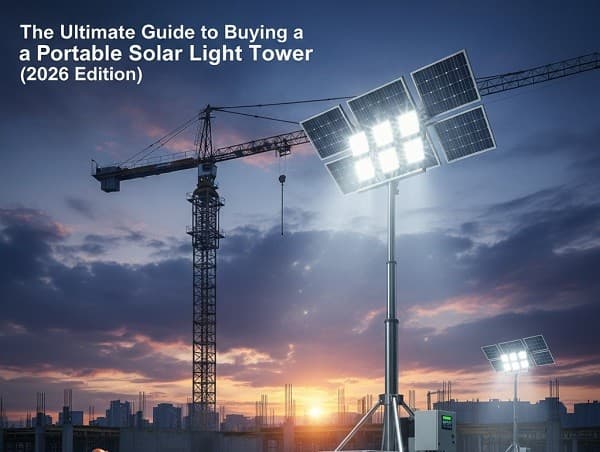
The Ultimate Guide to Buying a Portable Solar Light Tower (2026 Edition)
Buying a portable solar light tower in 2026 is one of the smartest moves a project manager can make. It solves the headache of fuel logistics, eliminates noise complaints, and slashes long-term costs.
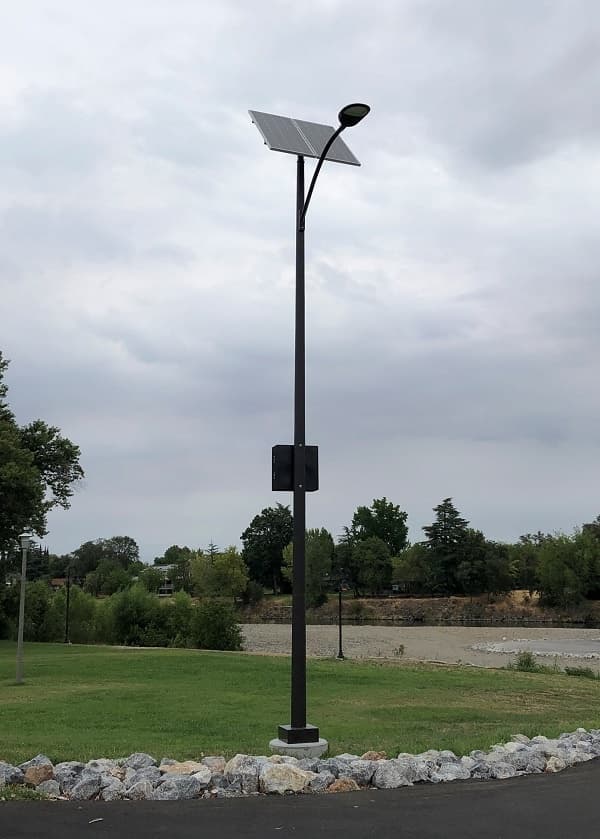
How Tall Are Solar Street Lights and Why It Matters for Your Project
Most solar street lights range from 12 to 30 feet, but the best performance comes from choosing a system designed for your project’s exact conditions — not a one-size-fits-all model.
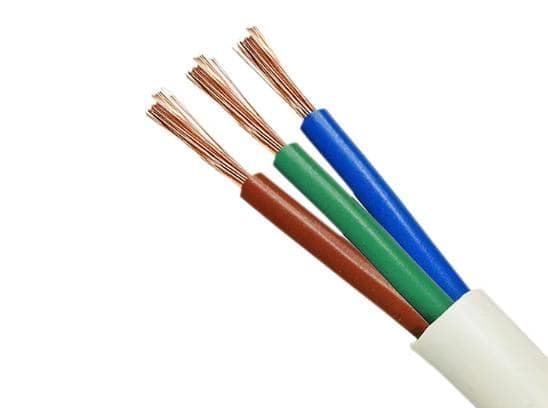
Something You Should Know About Wiring Colors for Outdoor LED Parking Lot Lights
Proper wiring is as crucial as the light itself when it comes to outdoor lighting solutions. At Greenshine New Energy, we pride ourselves on offering sustainable, efficient, and reliable solar LED parking lot lights that illuminate your spaces while keeping energy costs low.