How to Choose the Best Solar Pathway Lights for Your Home
Lumens, panel efficiency, battery capacity, IP ratings — picking the right solar pathway lights for a home involves more variables than the packaging usually explains. Here's what actually matters.
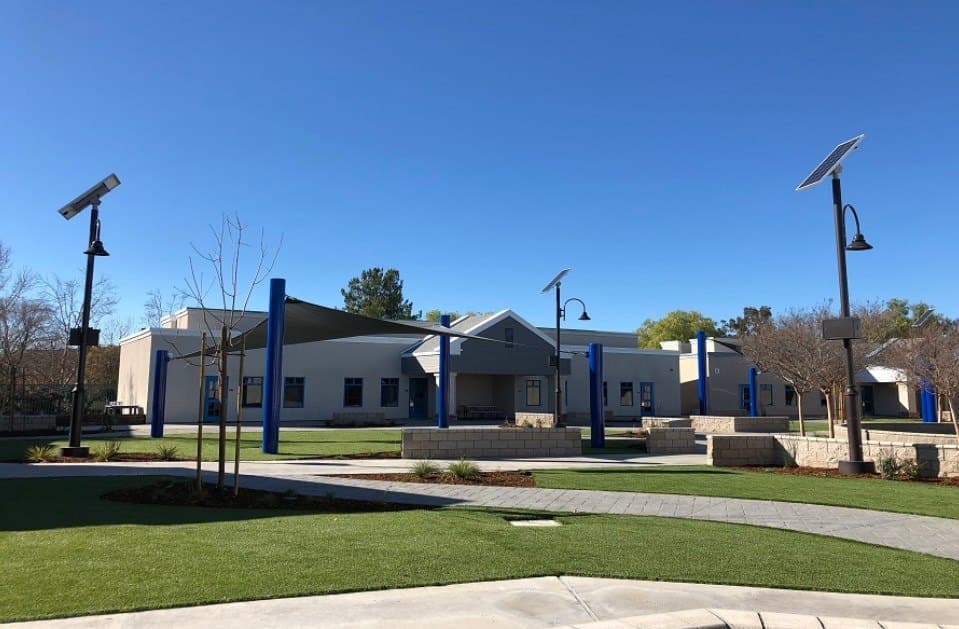
Solar pathway lights look simple from the outside — a stake, a small panel, an LED — but the products on the market vary enormously in how well they actually perform once installed. Greenshine gets asked constantly which pathway lights are "the best," and the honest answer depends on a handful of specifications that are worth understanding before buying anything.
Start With Lumens
Brightness is measured in lumens, and the right number depends entirely on the job. A standard walkway light works well around 450 lumens, enough to provide clear visibility and ambiance over roughly a 10-foot diameter without overpowering a residential landscape. Driveways and security-focused pathways benefit from pushing past 450 lumens for a more focused beam, while general residential area lighting, as opposed to path-specific fixtures, often runs closer to 5,000 lumens for adequate area coverage.
Panel Efficiency and Battery Capacity
| Component | What to Look For | Why It Matters |
|---|---|---|
| Solar panel | Monocrystalline cells, roughly 22% efficiency | Converts more of each day's limited sunlight into usable charge, which matters most on cloudy days |
| Battery | Lithium-ion | Lasts 3-5 years in typical use, with higher-quality lithium packs capable of exceeding 10 years |
| Battery capacity | Higher mAh rating | Extends runtime through winter's shorter daylight hours |
Greenshine's bollard fixtures, for reference, pair a 6W solar panel with a runtime of 5-10 hours depending on sunlight and local climate — a useful benchmark when comparing specs on a product label.
Durability Matters More Than It Looks
A pathway light lives outdoors permanently, so materials and weatherproofing decide how long it actually lasts. Stainless steel, aluminum, and quality outdoor-rated plastics hold up; most other materials degrade within a season or two. Check the IP rating before buying — an outdoor fixture should carry at least IP65, meaning it's dust-tight and protected against water jets from any direction.
Design and Ease of Installation
- ✓Classic lantern styles suit traditional homes and gardens, while sleek modern housings fit contemporary landscaping.
- ✓Sturdy ground stakes should drive into soil easily without bending.
- ✓Adjustable heads let you aim light exactly where a path needs it most.
- ✓Easy-to-clean panels and accessible, replaceable batteries extend the fixture's usable life well past the first battery cycle.
What a Good Warranty Looks Like
Cost matters, but warranty length is a better predictor of long-term value than price alone. Look for at least five years of coverage — Greenshine's larger walkway systems, including the Lita, Classica, and Bollard series, carry a five-year warranty specifically because the company expects the hardware to earn it.
The Bottom Line
Choosing solar pathway lighting comes down to matching lumens, panel efficiency, battery capacity, and build quality to the specific path being lit, rather than chasing the brightest or cheapest option on the shelf. Get those four variables right and a home's solar pathway lighting should perform reliably for years with essentially zero running cost.
Professional Consultation
Fill in your project details and one of our lighting experts will get back to you within 24 hours.
Questions? Call us at 949-609-9636
Financing Available
Greenshine partnered with Balboa Capital, a top-rated direct lender, to offer fast, easy, and affordable equipment financing options.
Learn more →Related Articles
The Ultimate Guide to Buying a Portable Solar Light Tower (2026 Edition)
Buying a portable solar light tower in 2026 is one of the smartest moves a project manager can make. It solves the headache of fuel logistics, eliminates noise complaints, and slashes long-term costs.
Portable Solar Tower for Parking Lots
At Greenshine New Energy, we provide mobile and portable solar light towers designed to deliver bright, sustainable light anywhere — without wiring, fuel, or utility costs.
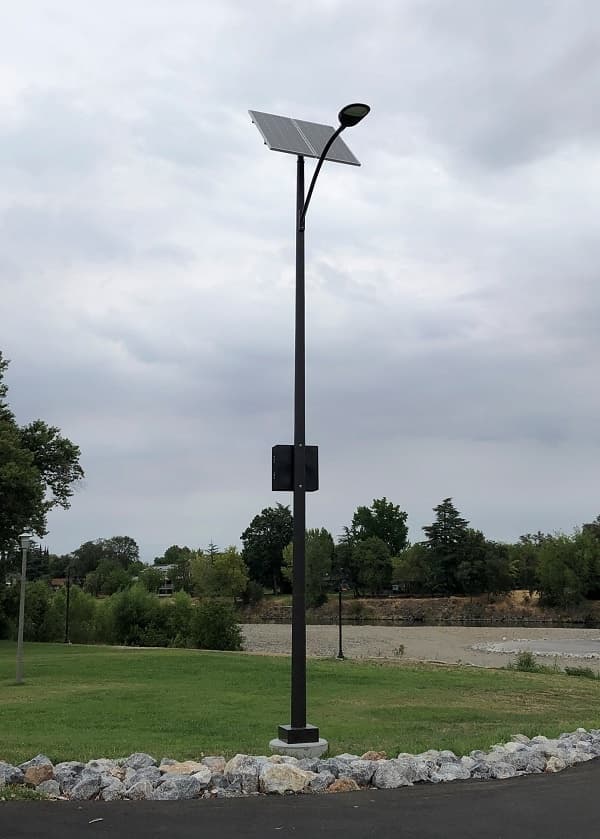
How Tall Are Solar Street Lights and Why It Matters for Your Project
Most solar street lights range from 12 to 30 feet, but the best performance comes from choosing a system designed for your project’s exact conditions — not a one-size-fits-all model.