How Many Lumens Do I Need for Outdoor Lighting?
What is a Lumen? What's the difference between Lumens and Watts. Why are lumens more important when measuring outdoor lights. Find out here.
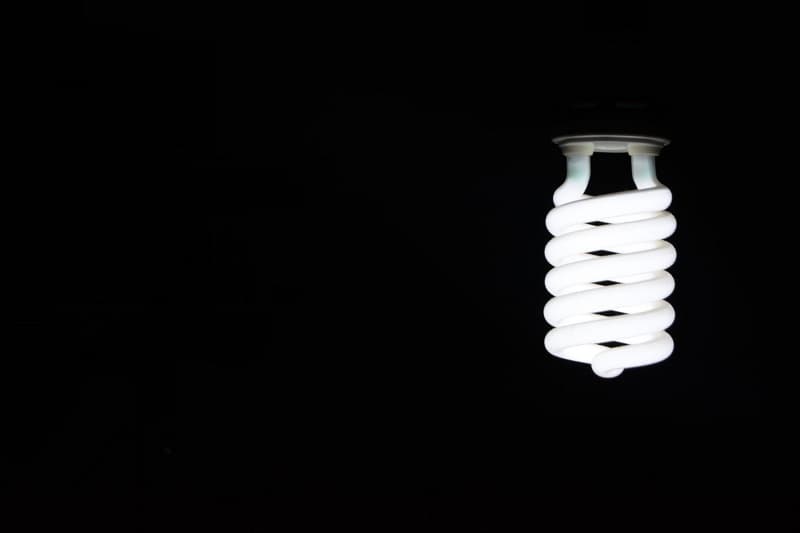
What Is a Lumen? Why Does It Matter?
In the past, light was measured in watts, which directly measures the amount of electrical power a light bulb consumes. Therefore, people used to expect light intensity to be a function of how much power a light required—higher watts mean brighter light as well as a higher electric bill. Today however, a lumen is a popular measurement for light. A lumen is a unit that defines the intensity of light. This unit can be directly related to the amount of light energy that is being emitted from a particular light source. You can find the specifications for how many lumens a particular bulb emits from its packaging.
In short, the difference between watts and lumens is as follows: wattage measures the amount of electrical power a light bulb consumes; lumens measure the actual brightness, regardless of how much power is needed. When choosing outdoor lighting, lumens are a more valuable measurement than watts.
Lumen Requirements for Outdoor Lights
We've developed a table that shows specific lumen level requirements for certain applications. This combines research and user feedback. If you're planning on developing a lighting project, feel free to reference it:
| Types of Lighting | Lumens Requirement |
|---|---|
| Path lighting | 100-200 lumens |
| Step lights | 12-100 lumens |
| Flood lights | 700-1300 lumens |
| Motion sensor lights | 300-700 lumens |
| Pond/pool lights | 200-400 lumens |
| Hardscape lights (on walls) | 50-185 lumens |
| Landscape | 50-300 lumens |
Lumens have substituted watts to become the new light measurement because a bulb with higher wattage doesn’t mean it will produce a brighter light. Nowadays, we are trying to produce more light using less energy, and we have to consider 2 things: the bulb and the energy.
LED vs Fluorescent vs Incandescent Energy Consumption
The era of incandescent bulbs is gone (read more in the historical evolution of outdoor lighting bulbs), and the lighting technology that has surpassed it is the LED bulb. Although some places still use older bulb technologies for different reasons, the LED has become more and more popular due to its long life and extremely low power consumption. The sheet below shows the power consumption of 3 types of bulbs. There is no doubt that LED bulbs save the most energy.
| 450 lumens | 800 lumens | 1100 lumens | 1600 lumens | 2600 lumens | 5800 lumens | |
|---|---|---|---|---|---|---|
| LED | 6W | 9-10W | 13W | 16-18W | 24W | 45W |
| Fluorescent | 8-9W | 13-14W | 18-19W | 23W | 40W | 85W |
| Incandescent | 40W | 60W | 75W | 100W | 150W | 300W |
With the use of LED lights, solar-powered lighting becomes a more viable option, which saves on energy bills in the long run. Solar power is a green, renewable, and sustainable energy source. It will never run out (as long as the sun is around) and can provide lighting indefinitely. Solar energy has a significantly smaller carbon footprint than more traditional methods of energy production. It’s obvious that there are various advantages to solar energy, which is why it continues to be more popular year-after-year. Swanson's Law and Haitz Law both demonstrate a dropping cost and rising efficiency, meaning these two combined technologies will only get cheaper and better over time.
In conclusion, people today use lumens to measure the light brightness and how much lighting they need. Under the premise of producing the same measurement of lumens, LED bulbs consume much less power than fluorescent and incandescent bulbs. What's more, LED bulbs combined with solar energy saves you even more on your electricity bills. Whether they do it for saving money or being environmentally-friendly, many cities in America have already switched to solar LED lights for their outdoor street lights, park lights, and so on. Please contact Greenshine New Energy for more information about solar led lighting.
Professional Consultation
Fill in your project details and one of our lighting experts will get back to you within 24 hours.
Questions? Call us at 949-609-9636
Financing Available
Greenshine partnered with Balboa Capital, a top-rated direct lender, to offer fast, easy, and affordable equipment financing options.
Learn more →Related Articles
How to Size a Solar Lighting System
Sizing is a term used to describe the measurements of a solar lighting system.Here’s a brief outline on sizing a solar lighting system.
What is the Best Solar Panel Technology (For Lighting Needs)?
We've done the research and know what the best technology for solar lighting is: look at our 6-minute read and gain from our wisdom!