A Facility Manager’s Checklist for Specifying Solar Parking Lot Lights
Solar parking lot lights are not commodity fixtures. Two products can look similar online but perform very differently in the field. The difference often comes down to engineering assumptions: local sun hours, battery capacity, fixture…
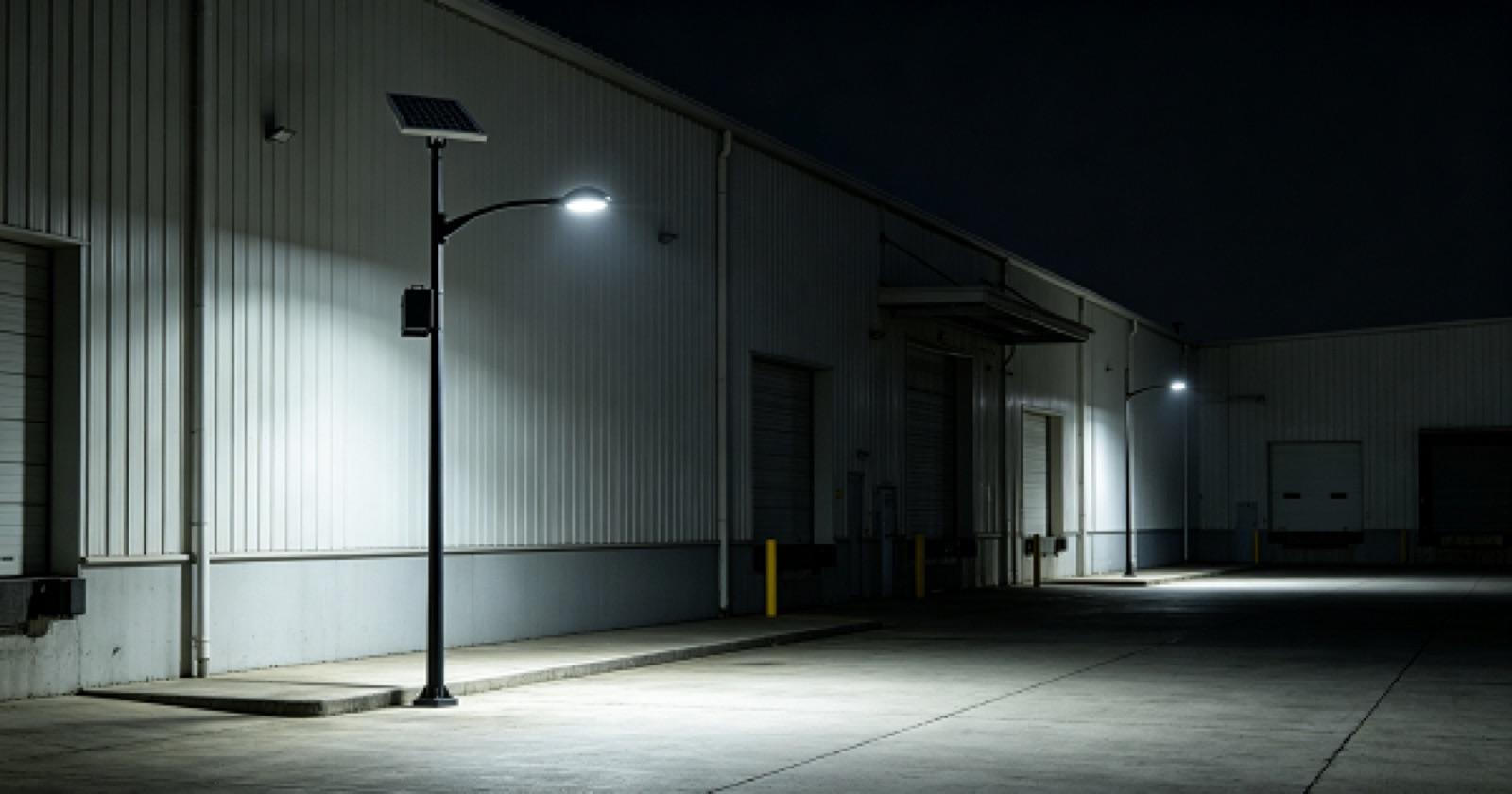
Solar parking lot lights are not commodity fixtures. Two products can look similar online but perform very differently in the field. The difference often comes down to engineering assumptions: local sun hours, battery capacity, fixture wattage, pole height, wind exposure, runtime settings, and whether the system is designed for full brightness all night or partial dimming.
For facility managers and procurement teams, solar parking lot lights are frequently misunderstood as interchangeable commodity products. Two solar light fixtures can look nearly identical in product photos yet deliver drastically different real-world performance—especially across varying climate conditions, wind zones, security requirements, and operational hours. Unlike standard grid-powered parking lot lighting, every solar system’s output depends on site-specific engineering calculations: local solar irradiance, battery storage capacity, pole height structural limits, wind load ratings, LED brightness uniformity, and programmed runtime modes.
Choosing the wrong solar lighting system leads to common costly issues: dim nighttime coverage, inconsistent security camera visibility, premature system failure during cloudy weather, structural wind damage, and lost eligibility for federal clean energy tax incentives. Whether you are drafting an RFQ, comparing vendor quotes, replacing outdated parking lot lighting, or upgrading warehouse and campus perimeter illumination, this actionable checklist ensures you evaluate solar parking lot lights based on engineering performance, compliance, long-term reliability, and financial benefits. Aligned with modern facility safety standards and federal incentive guidelines, this framework eliminates guesswork and empowers data-driven purchasing decisions.
1. Start with a Custom Photometric Design (Not Preselected Products)
Do not begin with a product SKU. Begin with the lighting requirement. A photometric plan should show:
- ✓Pole locations and spacing
- ✓Fixture optics (beam angle, distribution pattern)
- ✓Light levels (lux or foot-candles) at ground level
- ✓Uniformity ratio (average-to-minimum)
- ✓Coverage boundaries and potential dark zones
This is especially important for parking lots, warehouses, logistics yards, school campuses, and security-sensitive sites. A photometric plan also helps avoid over‑specification (paying for more light than needed) or under‑specification (creating safety hazards).
The biggest mistake procurement teams make is selecting light fixtures first and designing the layout second. All commercial solar parking lot lighting projects must begin with a professional photometric plan tailored to your exact site conditions. A qualified photometric report eliminates uneven lighting, dark blind spots, and over-illuminated zones while ensuring full compliance with commercial safety and security standards.
A complete photometric design should include precise pole placement coordinates, optimized fixture aiming angles, uniform light distribution data, minimum and average foot-candle levels across pavement surfaces, full parking lot coverage mapping, and glare reduction calibration. This step is critical for security-focused sites including commercial parking lots, industrial warehouses, logistics yards, educational campuses, and municipal facilities. Proper photometric design also aligns with CPTED (Crime Prevention Through Environmental Design) principles established by the U.S. Office of Justice Programs and LAPD commercial crime prevention guidelines, which confirm consistent, unobstructed outdoor lighting directly reduces trespassing, vandalism, and property crime risks by eliminating shadowed hiding spots.
2. Verify Full Night Runtime & Brightness Consistency
Runtime ambiguity is one of the most common loopholes in generic solar lighting quotes. Many low-cost solar systems extend operational hours by aggressively dimming LED output after midnight or relying solely on motion activation—a cost-cutting tactic that severely compromises nighttime security. For facility managers prioritizing site safety and reliable surveillance visibility, vague “all-night runtime” claims are never sufficient.
Always confirm two non-negotiable details in vendor proposals: the exact number of hours of full-rated brightness operation and the system’s low-light performance protocol. If your site requires 24/7 surveillance, overnight employee parking access, or late-night delivery operations, your solar lighting system must maintain consistent brightness throughout the entire security window. Any automated dimming or motion-sensor-only functionality should be explicitly disclosed and approved upfront. Never assume extended runtime equates to usable, security-grade illumination.
3. Audit Battery Chemistry, Temperature Range & Weather Autonomy
Battery capacity should be sized for the local climate and desired autonomy. Common commercial options include:
- ✓LiFePO4 (Lithium Iron Phosphate) – Long cycle life (2,000–5,000 cycles), wide temperature tolerance, lightweight, and safety.
- ✓Gel lead‑acid – Lower upfront cost, reliable in extreme cold, but heavier and shorter cycle life (1,000–2,000 cycles).
Key battery specifications to request:
- ✓Autonomy: Number of nights the system can operate at full brightness with no solar input (typically 3–5 nights)
- ✓Operating temperature range (e.g., -20°C to 60°C)
- ✓Warranty period (5 years is common for both LiFePO4 and Gel lead-acid batteries))
- ✓placement process and estimated cost at end of life
Battery performance is the backbone of reliable solar parking lot lighting, yet battery specifications are often overlooked during vendor comparisons. Commercial-grade solar lighting relies on high-quality energy storage to sustain operation during extended cloudy, rainy, or overcast weather. Today’s top-tier systems commonly utilize either LiFePO4 or Gel lead-acid batteries, depending on climate conditions and other project-specific requirements.
During vendor evaluations, always request detailed battery documentation including certified operating temperature ranges, cycle lifespan ratings, continuous discharge stability, and official weather autonomy testing results. Autonomy rating defines how many consecutive low-sun days the system can operate at full brightness without solar charging—an essential metric for northern climates, coastal fog zones, and rainy seasonal regions. Additionally, confirm battery warranty terms, scheduled maintenance requirements, and manufacturer replacement protocols to avoid unexpected downtime and long-term repair costs.
4. Validate Site-Specific Wind-Load Structural Compliance
Solar parking lot poles face unique structural risks that traditional grid light poles avoid: large solar panels create significant wind resistance, adding dynamic load pressure to pole structures and mounting hardware. Generic wind-load ratings do not account for panel size, pole height, fixture weight, or regional wind zone codes, making unverified structural claims a major liability risk for commercial facilities.
For every project, require vendors to provide site-specific wind-load engineering documentation tailored to your geographic location, exact pole height, panel dimensions, fixture configuration, and mounting style. Public municipal projects, commercial industrial sites, and high-wind coastal regions require fully engineered, code-compliant structural reports—not generic datasheet estimates. This step prevents catastrophic pole failure, hardware damage, and safety hazards during severe wind storms, ensuring long-term system structural integrity and full building code compliance.
5. Clarify Full Installation & Maintenance Scope Upfront
Solar lighting eliminates trenching and underground wiring, but it still requires proper civil and electrical installation. Clarify what is included in the quoted price:
- ✓Pole foundation (concrete base, portable base, or direct burial)
- ✓Anchor bolts and mounting hardware
- ✓Battery enclosure (integrated in pole or ground‑mounted)
- ✓Charge controller
- ✓LED fixture and solar panel assembly
- ✓Wiring and weather‑sealed connections
- ✓Commissioning and performance verification
- ✓Disposal of existing fixtures (if a retrofit)
Missing items can add significant unplanned costs. For example, a foundation for a 25‑foot pole in certain soil types may require engineering review and a concrete pour that is not included in a “light only” quote.
A low upfront solar lighting quote often hides excluded installation costs and ongoing maintenance expenses. Unlike grid-tied lighting, solar parking lot systems eliminate expensive trenching and underground wiring, but they still require professional civil work, electrical commissioning, and structural setup for long-term performance.
Use this full scope checklist to compare vendor proposals evenly: pole foundation design and materials, anchor bolt hardware, sealed battery box installation, solar controller programming, fixture and panel mounting assembly, system wiring and weatherproofing, full site commissioning, and old fixture removal/disposal services. Clarify post-installation support including routine inspection schedules, component replacement coverage, and troubleshooting response times. Locking in a clear installation and maintenance scope eliminates hidden costs and ensures uniform vendor bid comparisons.
6. Confirm Federal Clean Energy Tax Credit Eligibility & Documentation
To legally claim these incentives, taxpayers must complete and file IRS Form 3468 with annual tax returns, submitting full project documentation including placed-in-service dates, equipment cost basis, compliance certifications, and facility registration details. Note that tax eligibility depends on project ownership, installation timeline, and compliance verification—always consult a professional tax advisor to confirm qualification, and require your solar vendor to provide all supporting documentation required for internal review and IRS filing.
Prioritize vendors offering comprehensive system warranties covering LED fixtures, solar panels, batteries, and smart controllers separately. Verify published LED lifespan ratings (minimum 50,000+ hours for commercial use), panel degradation guarantees, and battery cycle life warranties. Additionally, confirm manufacturer support availability, replacement part accessibility, and end-of-system lifecycle guidance to future-proof your lighting investment and sustain consistent site performance for decades.
Final Notes for Facility Managers
Solar parking lot lighting is a long‑term investment. The lowest upfront quote may hide compromises in battery capacity, dimming schedules, or wind‑load safety. The highest quote may include unnecessary features.
Use this checklist to ask consistent questions across vendors. A good supplier will welcome the scrutiny and provide clear, documented answers.
References
- ✓Clean Electricity Investment Credit (Section 48E) – Internal Revenue Service. Available at: https://www.irs.gov/credits-deductions/clean-electricity-investment-credit
- ✓2025 Instructions for Form 3468 – IRS. Available at: https://www.irs.gov/pub/irs-pdf/i3468.pdf
- ✓Crime Prevention Through Environmental Design (CPTED) – Office of Justice Programs / NCJRS. Lighting as a tool for natural surveillance. Available at: https://www.ojp.gov/ncjrs/virtual-library/abstracts/crime-prevention-through-environmental-design
- ✓LAPD Environmental Design Circular – Los Angeles Police Department. Proper lighting design to reduce crime and fear. Available at: https://www.lapdonline.org/office-of-the-chief-of-police/office-of-special-operations/detective-bureau/commercial-crimes-division/crime-prevention-through-environmental-design/
Professional Consultation
Fill in your project details and one of our lighting experts will get back to you within 24 hours.
Questions? Call us at 949-609-9636
Financing Available
Greenshine partnered with Balboa Capital, a top-rated direct lender, to offer fast, easy, and affordable equipment financing options.
Learn more →Related Articles
The Ultimate Guide to Buying a Portable Solar Light Tower (2026 Edition)
Buying a portable solar light tower in 2026 is one of the smartest moves a project manager can make. It solves the headache of fuel logistics, eliminates noise complaints, and slashes long-term costs.
Portable Solar Tower for Parking Lots
At Greenshine New Energy, we provide mobile and portable solar light towers designed to deliver bright, sustainable light anywhere — without wiring, fuel, or utility costs.
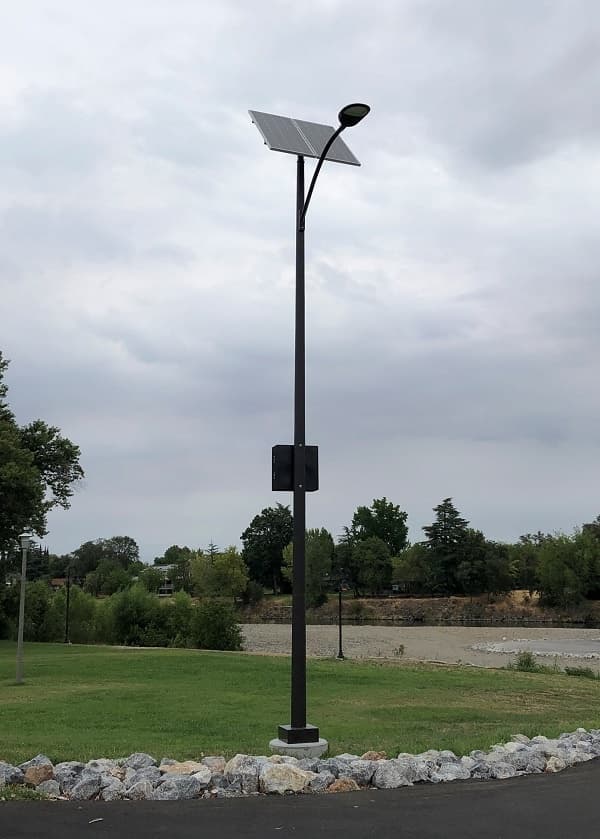
How Tall Are Solar Street Lights and Why It Matters for Your Project
Most solar street lights range from 12 to 30 feet, but the best performance comes from choosing a system designed for your project’s exact conditions — not a one-size-fits-all model.