Lighting the Way: A Deep Dive into the Brightness of LED Solar Street Lights
Understanding the intricacies of LED solar street lighting brightness becomes paramount. This deep dive not only sheds light on the technical aspects but also underscores the transformative impact these luminaires have on our communities.
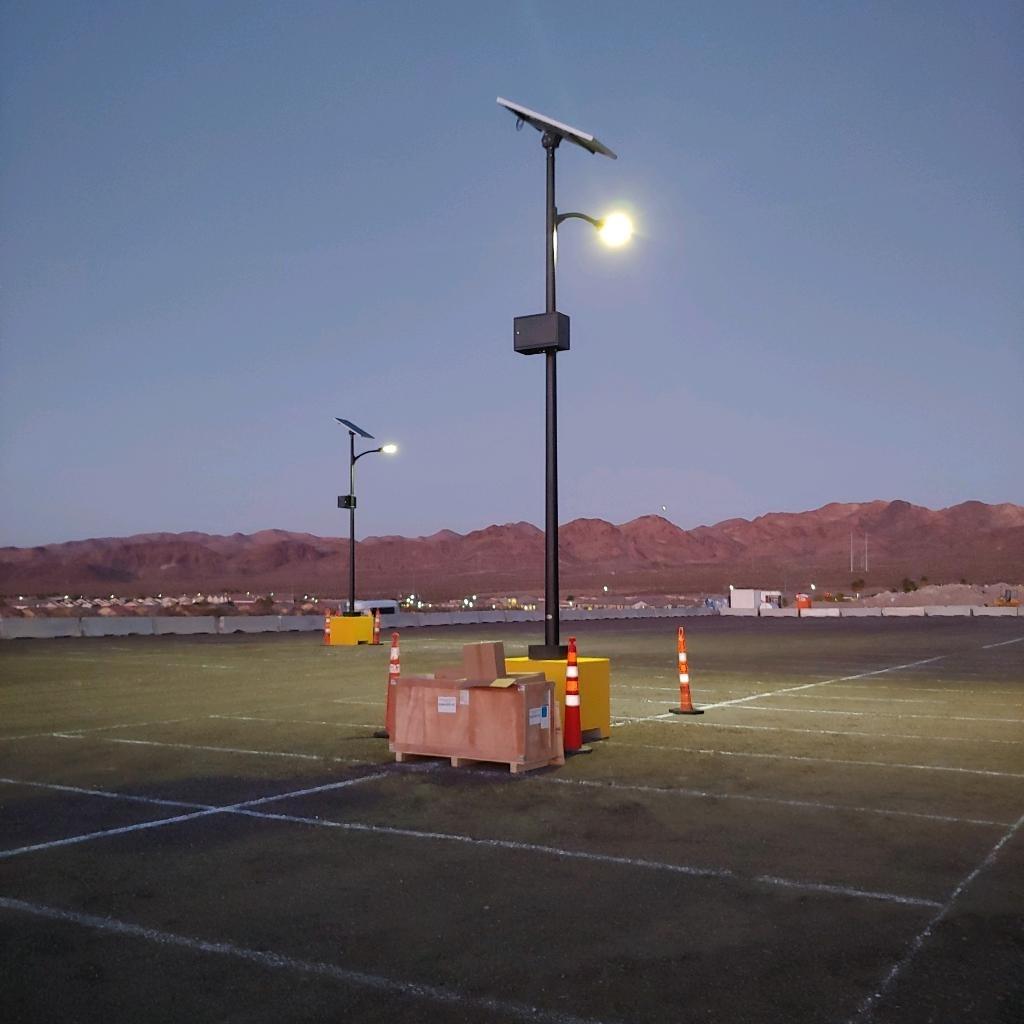
In the ever-evolving landscape of sustainable technology, LED solar street lights have emerged as beacons of energy efficiency and environmental consciousness. Among the myriad factors influencing their effectiveness, brightness stands out as a crucial element that not only enhances visibility but also contributes to the overall success of these solar-powered illuminators.
Unveiling the Brilliance: Understanding LED Solar Street Lighting Brightness
1. The Lumens Breakdown:
Delve into the science of lumens and discover why this unit of measurement is pivotal in gauging the brightness of LED solar street lights. From the basic principles to practical applications, demystify the relationship between lumens and effective street lighting.
2. Brightness vs. Wattage:
Explore the nuanced balance between brightness and wattage, unraveling the misconception that higher wattage always equates to better illumination. Learn how LED technology's efficiency challenges traditional notions, providing brighter outcomes with lower energy consumption.
3. Adaptive Brightness:
Investigate the concept of adaptive brightness in LED solar street lights. Understand how smart technologies and sensors contribute to dynamic illumination, adjusting brightness levels based on environmental conditions and optimizing energy usage.
Commercial solar street lights vs. other Lights
Commercial solar street lights share common components with other commercial solar lights, as they are designed with similar principles of solar energy harvesting and illumination. Here are the key components that make up a commercial solar street light, which are also found in other commercial solar lights:
- ✓Solar Panel : The solar panel is the primary component responsible for converting sunlight into electrical energy. It is usually mounted on top of the street light to capture maximum sunlight during the day. The efficiency and capacity of the solar panel determine the amount of energy generated.
- ✓Battery : Solar street lights feature rechargeable batteries to store the energy generated by the solar panel during the day. These batteries are typically of high capacity and are designed to provide power during periods of low sunlight, such as nighttime.
- ✓LED Light Source: Light Emitting Diodes (LEDs) serve as the light source in commercial solar street lights. LED technology is chosen for its energy efficiency, long lifespan, and brightness. LEDs also allow for directional lighting, ensuring effective illumination of the targeted area.
- ✓Controller: The controller manages the flow of energy between the solar panel, battery, and LED light source. It regulates the charging and discharging of the battery, preventing overcharging and deep discharging, which can extend the lifespan of both the battery and the LED lights.
- ✓Lighting Fixture : The lighting fixture includes the housing for the LED lights and is designed to protect them from environmental elements. It also helps direct and distribute light effectively. Fixtures can vary in design, catering to different aesthetic and functional preferences.
- ✓Pole: The pole serves as the structural support for the solar street light, holding the solar panel, lighting fixture, and other components at an elevated height. The pole also provides stability and ensures the proper positioning of the light for optimal energy capture.
- ✓Motion Sensors (Optional): Some commercial solar street lights may include motion sensors to detect movement in the vicinity. This feature helps conserve energy by increasing brightness only when motion is detected, providing enhanced security and efficiency.
- ✓Photocell (Optional): A photocell, or light sensor, can be included to enable automatic activation of the lights at dusk and deactivation at dawn. This feature ensures that the lights operate only when needed, optimizing energy usage.
- ✓Weatherproof Enclosure: To protect internal components from harsh weather conditions, commercial solar street lights are housed in weatherproof enclosures. These enclosures are designed to withstand exposure to rain, wind, and other environmental factors.
By incorporating these components, commercial solar street lights ensure reliable, sustainable, and energy-efficient illumination for various outdoor applications. These components, with slight variations, are also commonly found in other types of commercial solar lights designed for different purposes.
Two central systems commonly used for LED solar street lighting projects are:
Grid-Tied Systems:
Description: Grid-tied LED solar street lighting systems are connected to the local electrical grid. They generate solar power during the day and feed any excess electricity back into the grid. At night or during periods of low sunlight, the system draws power from the grid to ensure continuous illumination.
Off-Grid Systems:
Description: Off-grid LED solar street lighting systems operate independently of the electrical grid. They generate and store their own power using solar panels and batteries. These systems are designed to meet the entire energy demand of the street lights without relying on external power sources.
LED solar street lighting control options
LED solar street lighting control options play a crucial role in optimizing energy efficiency, managing brightness levels, and ensuring reliable operation. Here are several control options commonly employed in LED solar street lighting systems:
Photocell (Light Sensor):
Functionality: Photocells detect ambient light levels and trigger the automatic activation or deactivation of the LED solar street lights. When darkness falls, the photocell signals the lights to turn on, and when daylight returns, it signals them to turn off.
Motion Sensors:
Functionality: Motion sensors detect movement within the vicinity of the solar street lights. When motion is detected, the lights are triggered to increase brightness or turn on, providing enhanced illumination in response to activity.
Time-Based Controls:
Functionality: Time-based controls involve programming the LED solar street lights to operate on a predetermined schedule. Lights can be set to turn on at dusk and turn off at dawn or follow a customized time schedule.
Remote Control and Monitoring:
Functionality: Remote control systems allow for the wireless adjustment of lighting parameters, such as brightness levels and scheduling. Some advanced systems may also provide real-time monitoring of system performance.
Smart Control Systems:
Functionality: Smart control systems leverage advanced technologies, such as IoT (Internet of Things) and data analytics, to optimize the performance of LED solar street lights. These systems may include adaptive brightness control, predictive maintenance, and energy consumption analysis.
Bright Ideas: Practical Applications of LED Solar Street Lighting Brightness
1. Road Safety Enhancement:
Examine real-world examples of how increased brightness in LED solar street lights contributes to improved road safety. Understand the role of brightness in enhancing visibility for drivers, cyclists, and pedestrians.
2. Urban Planning and Security:
Uncover the impact of LED solar street lighting brightness on urban planning and security measures. Explore case studies showcasing the positive influence of well-lit public spaces in deterring crime and fostering community well-being.
3. Economic and Environmental Impacts:
Assess the economic and environmental implications of optimizing brightness in LED solar street lights. From reduced energy consumption to extended product lifespan, discover how brightness efficiency translates into tangible benefits for both users and the planet.
Shining a Light on the Future: Trends and Innovations in LED Solar Street Lighting Brightness
1. Advanced Control Systems:
Peek into the future with a discussion on cutting-edge control systems that promise even more precise management of LED solar street lighting brightness. Explore how artificial intelligence and data analytics contribute to continuous improvements in performance.
2. Integration with Renewable Technologies:
Learn about upcoming innovations that integrate LED solar street lights with other renewable technologies. Discover how combining solar power with complementary sources enhances brightness and resilience in various environmental conditions.
Conclusion: Navigating the Luminous Path Ahead
As we embark on a journey to illuminate our streets sustainably, understanding the intricacies of LED solar street lighting brightness becomes paramount. This deep dive not only sheds light on the technical aspects but also underscores the transformative impact these luminaires have on our communities. Embrace the brilliance, embrace the future.
Professional Consultation
Fill in your project details and one of our lighting experts will get back to you within 24 hours.
Questions? Call us at 949-609-9636
Financing Available
Greenshine partnered with Balboa Capital, a top-rated direct lender, to offer fast, easy, and affordable equipment financing options.
Learn more →Related Articles
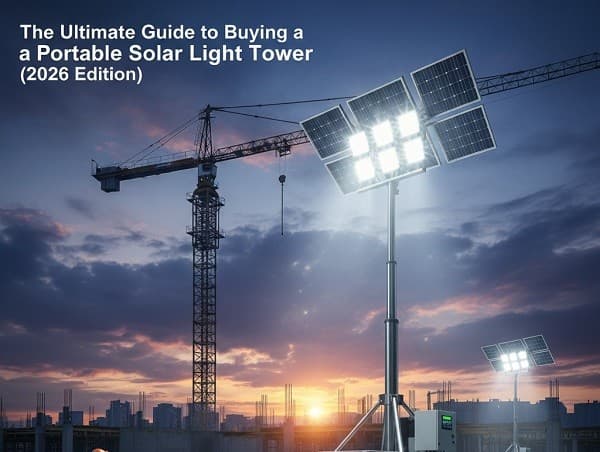
The Ultimate Guide to Buying a Portable Solar Light Tower (2026 Edition)
Buying a portable solar light tower in 2026 is one of the smartest moves a project manager can make. It solves the headache of fuel logistics, eliminates noise complaints, and slashes long-term costs.
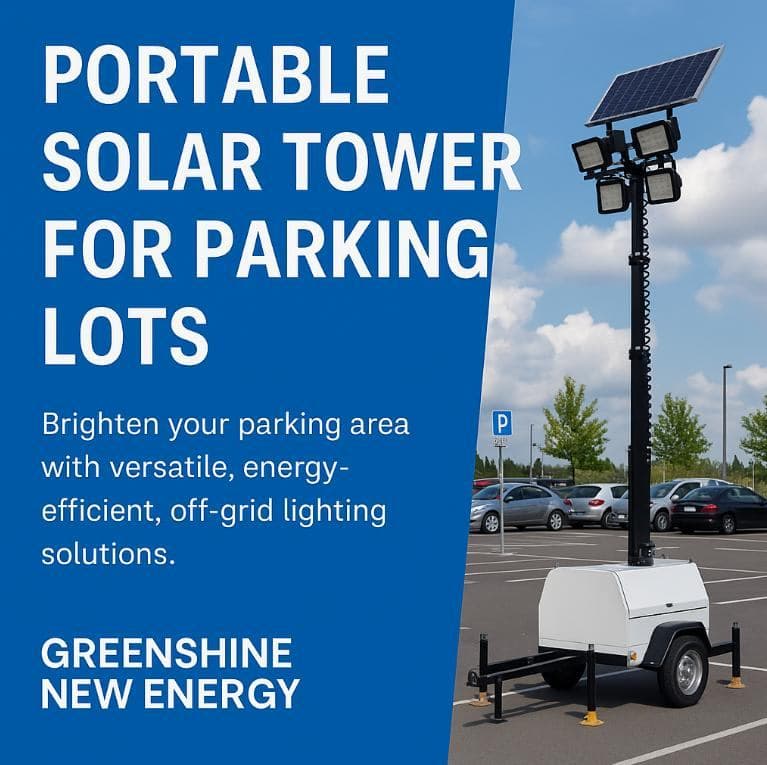
Portable Solar Tower for Parking Lots
At Greenshine New Energy, we provide mobile and portable solar light towers designed to deliver bright, sustainable light anywhere — without wiring, fuel, or utility costs.
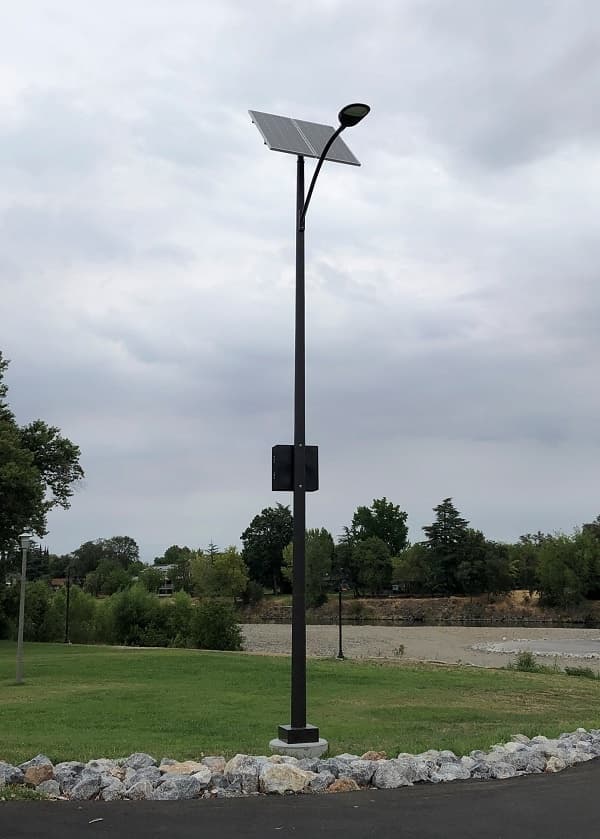
How Tall Are Solar Street Lights and Why It Matters for Your Project
Most solar street lights range from 12 to 30 feet, but the best performance comes from choosing a system designed for your project’s exact conditions — not a one-size-fits-all model.