Comparing Municipal Solar Street Lights to Traditional Lighting Solutions
When you compare municipal solar street lights to traditional lighting solutions, the advantages are clear.
Cities around the world are always on the lookout for better, more cost-effective ways to light up their streets. One of the most exciting developments in recent years is the rise of municipal solar street lights. But how do these solar-powered lights compare to the traditional ones we're all used to? Let's break it down in a way that's easy to understand.
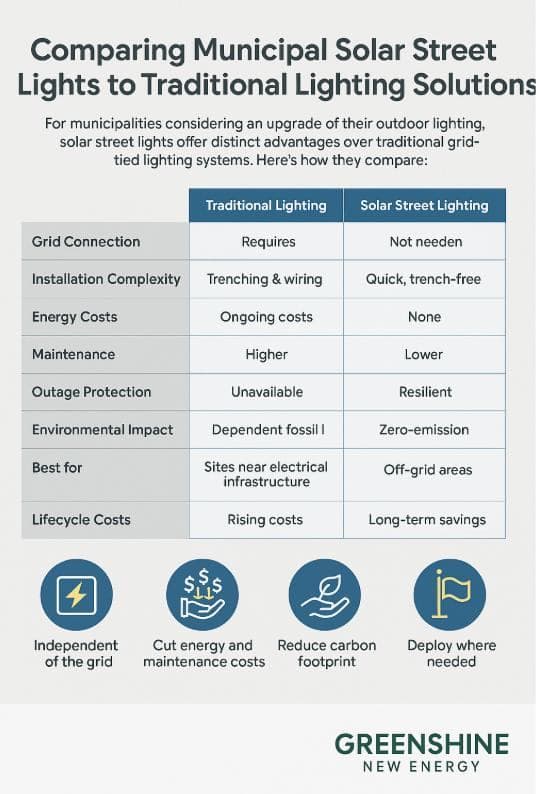
Summary Comparison Table
| Feature | Traditional Lighting | Solar Lighting (Greenshine) |
|---|---|---|
| Grid Connection | Required | Not needed |
| Installation Time | Weeks (trenching, permits) | Days (no trenching) |
| Energy Costs | Ongoing utility bills | $0 (free solar energy) |
| Maintenance Frequency | Moderate to high | Low |
| Ideal for Remote Areas | No | Yes |
| Resilience During Outages | No | Yes |
| Eligible for Grants | Sometimes | Frequently |
| Visual Impact | Limited by infrastructure | Modern, clean, customizable |
1. Going Green: Energy Efficiency and Sustainability
Traditional Lighting Solutions: Traditional street lights are like the old reliable cars that run on gasoline. They get the job done but at a cost. These lights rely on electricity from power plants, which often burn fossil fuels. This process not only consumes a lot of energy but also releases a significant amount of carbon dioxide into the atmosphere, contributing to climate change. Plus, the electricity bills for these lights can really add up, putting a strain on city budgets.
Municipal Solar Street Lights: Enter solar street lights – the eco-friendly alternative. Think of them as electric cars that run on solar energy. These lights capture sunlight during the day using photovoltaic panels and convert it into electricity. They don’t need to be plugged into the power grid, which means they don’t contribute to carbon emissions and help cities save on energy costs. It's a win-win for both the environment and the city’s wallet.
2. Easy Setup and Low Maintenance
Traditional Lighting Solutions: Setting up traditional street lights is like installing a new home entertainment system – lots of wires and connections. It’s a complicated process that can be expensive and time-consuming, especially in areas that are hard to reach. And once they’re up, they need regular maintenance to keep them running, which means more ongoing costs.
Municipal Solar Street Lights: Solar street lights, on the other hand, are much simpler to install. Imagine setting up a new wireless speaker – straightforward and hassle-free. There’s no need for extensive wiring since they don’t connect to the grid. Maintenance is also easier; you just need to clean the solar panels occasionally and replace the batteries every few years. This simplicity makes them a great choice for any area, from bustling cities to quiet rural towns.
3. Cost: Upfront vs. Long-Term
Traditional Lighting Solutions: At first glance, traditional street lights might seem cheaper. The initial costs are lower, but don’t be fooled. Over time, the expenses add up – think of it like buying a cheap printer but spending a fortune on ink cartridges. The ongoing energy bills and maintenance fees can become a significant financial burden.
Municipal Solar Street Lights: Solar street lights might have a higher price tag upfront, similar to investing in a quality appliance that pays for itself over time. But here’s the good news: once they’re installed, they start saving money. No more electricity bills, and minimal maintenance costs mean that over the long haul, they’re much more cost-effective. Plus, there are grants and funding available that can help cover the initial investment.
4. Dependability and Performance
Traditional Lighting Solutions: Traditional street lights are reliable as long as the power grid is up and running. But what happens during a blackout? Entire streets can be plunged into darkness, creating safety concerns and inconvenience.
Municipal Solar Street Lights: Solar street lights are like having a backup generator. They don’t rely on the grid, so even if there’s a power outage, they keep shining. With built-in batteries storing energy for cloudy days or nighttime, these lights are incredibly reliable. Advances in technology have made them even more efficient and dependable, ensuring consistent lighting no matter what.
5. Impact on the Environment
Traditional Lighting Solutions: Traditional street lights have a hefty environmental impact due to their reliance on fossil fuels. The production and disposal of these lights also contribute to pollution and waste.
Municipal Solar Street Lights: Solar street lights offer a breath of fresh air – literally. By using renewable energy, they reduce greenhouse gas emissions and our dependence on fossil fuels. Many of the materials used in solar lights are recyclable, further lessening their environmental footprint. It’s a step towards a cleaner, greener future. Greenshine Energy Solar’s lightsexemplify these benefits by providing high-quality, eco-friendly lighting solutions tailored to municipal needs.
6. Procurement and Grant Qualification
- ✓Traditional Lighting: May fall under routine infrastructure, which often receives less priority in clean energy or modernization grants.
- ✓Solar Lighting: Qualifies under most clean energy, resilience, and low-carbon infrastructure grant programs. May also be eligible for funding through FEMA, DOT, and renewable energy agencies.
Winner: Solar, especially for cities looking to fund projects through federal or sustainability-focused grants.
7. Design and Aesthetics
- ✓Traditional Lighting: Offers consistent fixture styles and grid-tied uniformity. However, designs may be limited by pole spacing and trenching logistics.
- ✓Solar Lighting: Provides a range of architectural styles, pole finishes, and fixture designs to match modern streetscapes, historical districts, or parks. Solar panels can be integrated discreetly or used as a visual sign of sustainability.
Winner: Solar, for flexibility and visual alignment with design-driven projects.
8. Compliance and Public Pressure
- ✓Traditional Lighting: Increasingly viewed as outdated, especially when powered by fossil fuels. Risk of scrutiny from environmental groups or green-conscious voters.
- ✓Solar Lighting: Demonstrates a city’s commitment to innovation and climate responsibility. Helps meet state-mandated sustainability goals and supports public expectations for clean, smart infrastructure.
Winner: Solar, for public image and regulatory compliance.
Real-World Scenarios
Case 1: Rural County Road Expansion
A county plans to widen a 2-mile stretch of rural highway. Trenching and extending grid power would cost over $300,000 due to remote access and rocky terrain. Solar street lights eliminate the need for grid connections, reducing project cost and time while adding blackout-proof lighting that enhances night safety.
Case 2: Park Revitalization in a Mid-Sized City
A city wants to improve safety and usability in a neighborhood park but faces public resistance to construction disruption. With Greenshine’s solar lighting, poles are installed without trenching, minimizing impact to landscaping and reducing installation time from weeks to days.
Case 3: Seasonal Flood Zone
A coastal Iowa town faces annual floods that damage underground utility lines. Solar lighting ensures continuity without relying on vulnerable grid infrastructure and can be removed or relocated seasonally if needed.
Frequently Asked Questions from Municipal Buyers
Q: Are solar street lights reliable during Iowa’s winter months?
A: Yes. Greenshine systems are engineered with cold-weather battery chemistry, oversized panels, and 3–5 day autonomy. Even with snow or overcast skies, lights stay on.
Q: How long do solar lights last?
A: Fixtures and panels typically last 20+ years. Batteries generally last 5–7 years depending on type (AGM, Lead-Acid, or Lithium options available). Most systems pay for themselves before the first battery swap.
Q: Can I customize the brightness or light spread?
A: Absolutely. We use photometric modeling to determine the right fixture type, wattage, pole height, and beam angle for every project.
Conclusion
When you compare municipal solar street lights to traditional lighting solutions, the advantages are clear. Solar street lights are more energy-efficient, sustainable, cost-effective, and reliable. While they might require a higher initial investment, the long-term benefits make them an excellent choice for any city looking to improve its lighting infrastructure. By embracing solar street lighting, municipalities can save money, reduce their environmental impact, and ensure bright, safe streets for everyone.
Professional Consultation
Fill in your project details and one of our lighting experts will get back to you within 24 hours.
Questions? Call us at 949-609-9636
Financing Available
Greenshine partnered with Balboa Capital, a top-rated direct lender, to offer fast, easy, and affordable equipment financing options.
Learn more →Related Articles
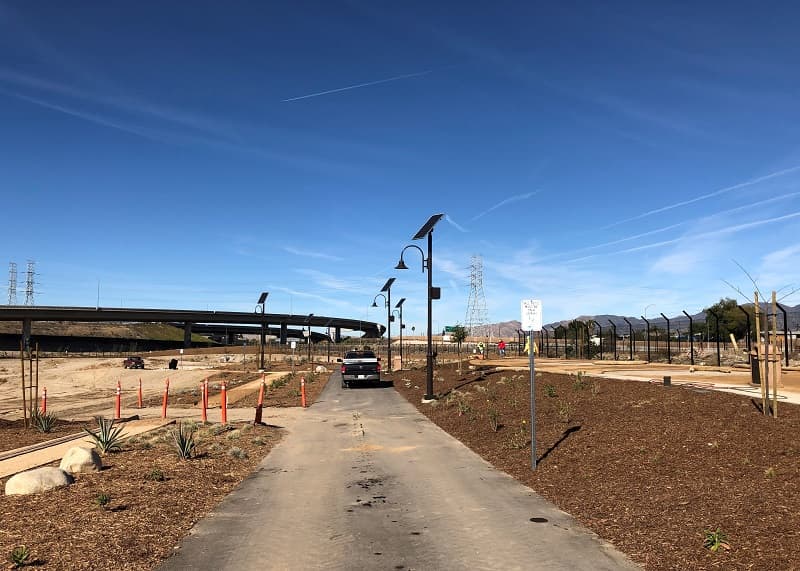
How Expensive is Traditional Street Lighting, Anyway?
Here's a look into how expensive traditional street lighting really is when all expenses are considered.
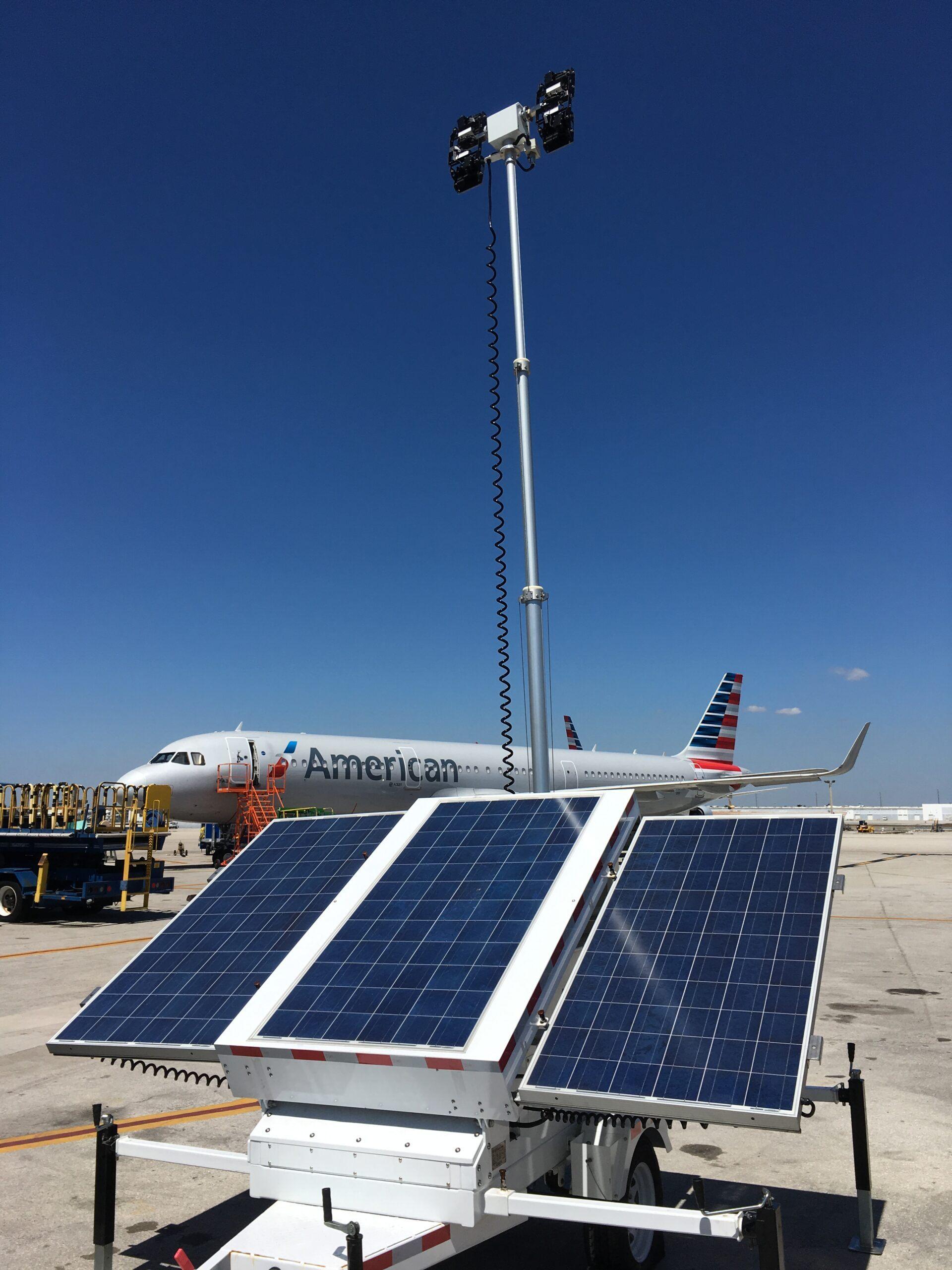
Stop The Mess At Your Data Center By Switching To Greenshine Solar Light Towers
Replacing messy, outdated diesel towers with Greenshine Solar Light Towers isn't just about saving fuel—it's about protecting your cooling infrastructure, simplifying your security protocols, and aligning your facility with the clean-energy standards of the world’s leading tech giants.