From Charging to Storage: Best Practices for Solar Battery Longevity
This article explores best practices from charging to storage to ensure your solar battery serves you effectively for as long as possible.

The transition to renewable energy sources has spotlighted solar power as a sustainable and efficient way to meet energy needs. Central to harnessing solar energy effectively is solar batteries, which store excess power for use when the sun isn't shining. However, the lifespan of these batteries can vary significantly based on how they're used and maintained. This article explores best practices from charging to storage to ensure your solar battery serves you effectively for as long as possible.
Understanding Solar Battery Basics
Solar batteries store energy generated by solar panels, allowing for power usage during cloudy days or nighttime. The longevity and efficiency of these batteries depend on several factors, including the type of battery (e.g., lead-acid, lithium-ion), usage patterns, and maintenance practices. Proper care can extend a battery's life, reduce costs, and enhance system reliability.
Best Practices for Charging
1. Optimize Charging Parameters
Adhere to manufacturer-recommended charging rates and voltage settings to avoid overcharging or undercharging, both of which can shorten battery life. Advanced charge controllers can adjust charging parameters based on battery conditions and environmental factors.
2. Avoid Deep Discharges
Deep discharging can strain a battery, reducing its lifespan. Design your system to minimize the depth of discharge (DoD), ideally keeping it under 50% for most battery types. Some batteries, like lithium-ion, can tolerate deeper discharges better than others, such as lead-acid.
3. Temperature Regulation
Batteries are sensitive to temperature extremes. Charging in too high or too low temperatures can damage the battery. If possible, install batteries in temperature-controlled environments or use thermal management systems to maintain optimal charging conditions.
Best Practices for Usage
1. Regular Use and Cycling
Batteries benefit from regular use. Prolonged inactivity can lead to sulfation in lead-acid batteries and capacity loss in lithium-ion batteries. Design your system to cycle the battery regularly but avoid complete discharges.
2. Load Management
Be mindful of the load placed on the battery. Sudden, high power draws can stress the battery, reducing its effective lifespan. Use energy management systems to distribute the load evenly and avoid peak power demands.
Best Practices for Storage
1. Proper State of Charge
If you need to store your battery for an extended period, ensure it's at the proper state of charge as recommended by the manufacturer. For many batteries, a 50% state of charge is ideal for storage.
2. Temperature-Controlled Environment
Store batteries in a cool, dry place to minimize the risk of damage. Extreme temperatures can accelerate degradation processes, so aim for a storage area with stable, moderate temperatures.
3. Maintenance Checks
Even when not in regular use, perform periodic checks on the battery's state of charge and overall condition. For some battery types, periodic topping charges during storage may be necessary to maintain health.
Monitoring and Maintenance
Regular monitoring can identify potential issues before they lead to significant damage. Use battery management systems (BMS) for real-time monitoring of voltage, current, temperature, and state of charge. Periodic maintenance, including cleaning terminals and checking connections, can prevent efficiency losses and extend battery life.
How can I increase the lifespan of my solar panels?
Increasing the lifespan of your solar panels is crucial for maximizing your investment in solar energy. While solar panels are designed to be durable and require minimal maintenance, there are several strategies you can employ to ensure they operate efficiently and last as long as possible. Here are some tips to help you increase the lifespan of your solar panels:
1. Regular Cleaning
2. Routine Inspections
3. Proper Installation
4. Manage Shade
5. Temperature Regulation
6. Monitor Performance
7. Warranty and Insurance
8. Avoid Physical Stress
Which solar battery lasts the longest?
The longevity of a solar battery depends on several factors, including its type, quality, usage patterns, and maintenance. As of my last update in April 2023, among the common types of solar batteries—lead-acid, lithium-ion, nickel-cadmium (NiCd), and flow batteries—lithium-ion batteries are generally recognized for having the longest lifespan in solar energy storage applications.
How do I know when my solar battery needs replacing?
Knowing when to replace your solar battery is crucial for maintaining the efficiency and reliability of your solar power system. Here are several signs and indicators that your solar battery may need replacing:
1. Reduced Capacity
The most obvious sign that a solar battery needs replacing is a noticeable reduction in its storage capacity. If your battery is unable to hold as much charge as it used to or if the power runs out much quicker than before, the battery is likely nearing the end of its useful life.
2. Difficulty Holding Charge
If the battery struggles to reach a full charge even after a day of good sunlight or discharges too quickly even under a light load, it may be a sign of significant wear or damage to the battery cells.
3. Increased Charging Time
Aging batteries can take longer to charge. If you notice that your battery takes significantly longer to reach full charge compared to its performance in the past, this could indicate that it's time for a replacement.
4. Swelling or Bulging
Physical changes to the battery, such as swelling, bulging, or the case deforming, are clear indicators of a problem. These symptoms can result from overcharging, deep discharging, or internal failure. Such batteries should be replaced immediately to avoid potential safety hazards.
5. Leakage
Any signs of leakage or corrosion around the battery terminals can indicate that the battery is failing. Leakage can damage surrounding components and significantly impair the battery's performance.
6. Warning Lights or Error Messages
Many modern solar battery systems include management systems that provide warnings or error messages when there's a problem with the battery. Don’t ignore these alerts, as they can indicate issues requiring immediate attention, including replacement.
7. Failure to Power Your Home or Devices as Expected
If you notice a decline in the performance of your solar power system, such as being unable to power your home or devices for as long as it used to, this could be due to the battery's reduced capacity.
8. Exceeding Lifespan Expectations
If your battery has exceeded or is close to exceeding its expected lifespan, it may be time to consider a replacement, even if it still shows signs of adequate performance. Most solar batteries have a lifespan ranging from 5 to 15 years, depending on the type and usage.
9. Performance Metrics
For systems equipped with monitoring, a decline in key performance metrics over time can indicate that the battery is losing efficiency and may need to be replaced. Monitoring software can often track the battery's state of health and alert you to significant changes.
How to Proceed
When you suspect your solar battery may need replacing, it's a good idea to consult with a professional in Greenshine Energy Solar who can perform a thorough evaluation of the battery's health and your solar power system's overall performance. We can guide whether a replacement is necessary and advise on the type of battery that would best suit your needs, taking into consideration advancements in technology that may have occurred since your last installation.
Conclusion
The key to maximizing the lifespan of solar batteries lies in understanding their needs and responding accordingly. By following best practices for charging, usage, and storage, you can ensure your solar battery remains a reliable and efficient component of your renewable energy system for years to come. Remember, investing time in proper battery care not only saves money in the long run but also supports the sustainability goals driving the shift towards solar energy.
Professional Consultation
Fill in your project details and one of our lighting experts will get back to you within 24 hours.
Questions? Call us at 949-609-9636
Financing Available
Greenshine partnered with Balboa Capital, a top-rated direct lender, to offer fast, easy, and affordable equipment financing options.
Learn more →Related Articles

The Ultimate Guide to Buying a Portable Solar Light Tower (2026 Edition)
Buying a portable solar light tower in 2026 is one of the smartest moves a project manager can make. It solves the headache of fuel logistics, eliminates noise complaints, and slashes long-term costs.
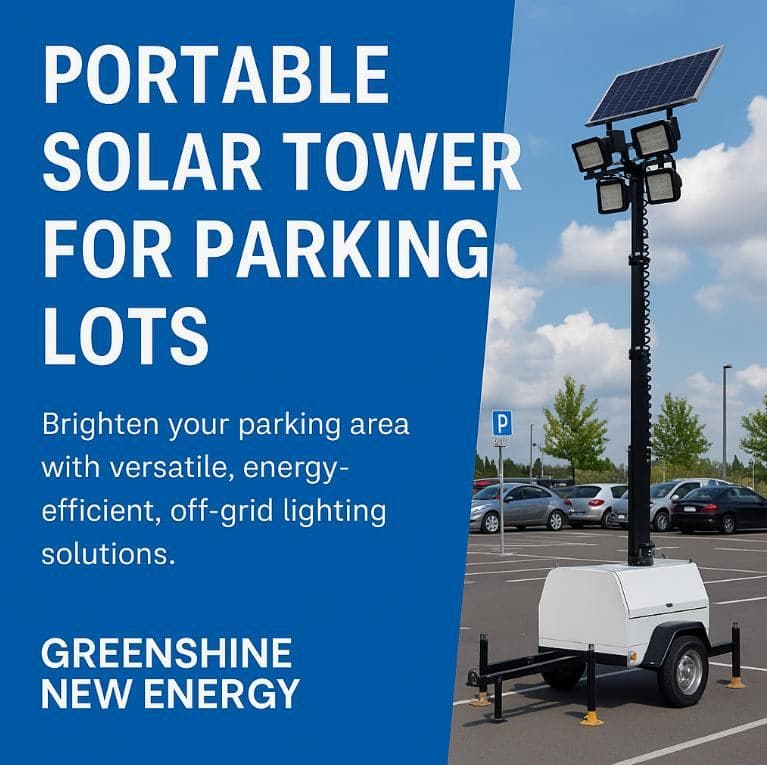
Portable Solar Tower for Parking Lots
At Greenshine New Energy, we provide mobile and portable solar light towers designed to deliver bright, sustainable light anywhere — without wiring, fuel, or utility costs.
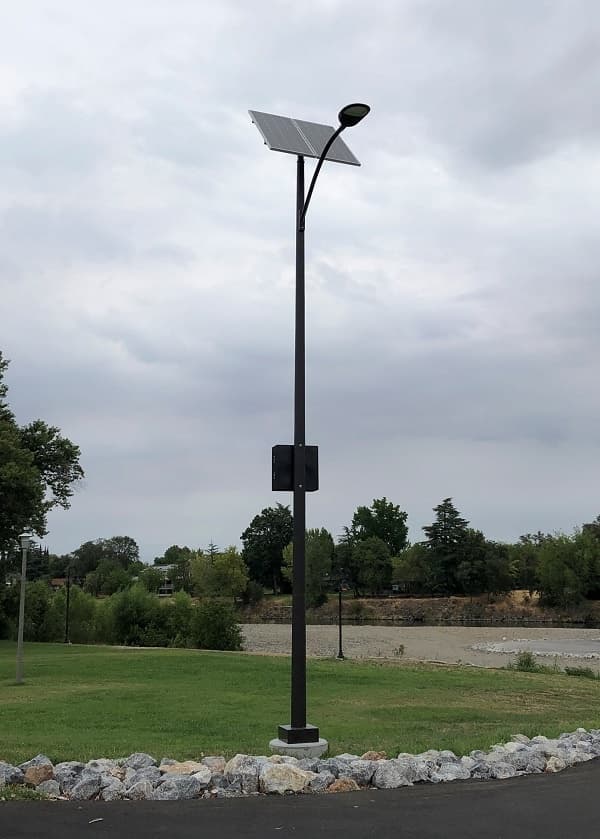
How Tall Are Solar Street Lights and Why It Matters for Your Project
Most solar street lights range from 12 to 30 feet, but the best performance comes from choosing a system designed for your project’s exact conditions — not a one-size-fits-all model.