A Guide to Off-Grid Solar for Camera and WiFi Projects
Security cameras and WiFi access points increasingly need to run in places with no grid connection at all. Here's how to size an off-grid solar system to keep them running reliably.
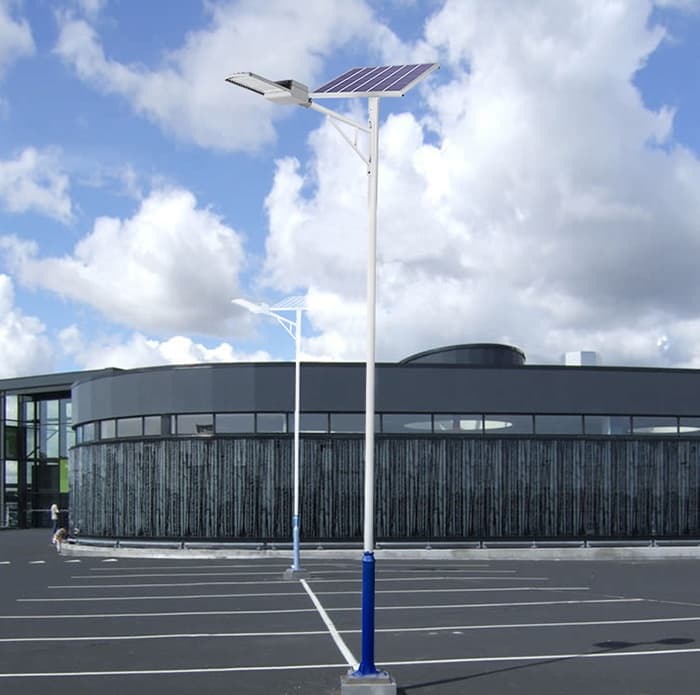
Surveillance cameras and WiFi access points are showing up in more places that have no practical grid connection, remote perimeters, construction sites, rural crossings, and temporary security deployments. Off-grid solar has become the default way to power that equipment reliably, but sizing a system correctly takes more than mounting a panel on a pole and hoping for the best.
The Core Components
- ✓Solar panels — convert sunlight into DC electricity.
- ✓Charge controller — regulates the flow of that electricity to prevent overcharging the battery.
- ✓Battery bank — stores daytime energy for use at night or during cloudy stretches.
- ✓Inverter — converts stored DC power into the AC power most cameras and networking equipment actually run on.
Why Off-Grid Makes Sense Here
- ✓Remote power — enables deployment anywhere, regardless of grid access.
- ✓Cost efficiency — once installed, operating costs are minimal.
- ✓Lower environmental impact — no fossil-fuel-generated grid electricity involved.
- ✓Reliability — continuous operation with far less downtime risk than a site depending on utility service.
- ✓Scalability — additional cameras or access points can be added without rewiring an entire site.
- ✓Independence — full autonomy from centralized power, including resilience during grid outages.
Sizing a System Correctly
Getting the sizing right is mostly arithmetic, done carefully. Start by identifying the wattage draw of every camera and WiFi device on the system, then calculate total daily energy consumption in kilowatt-hours. From there, decide how many consecutive cloudy days the system needs to survive without full sun; that autonomy buffer drives battery sizing more than almost any other variable. Add a loss factor of roughly 1.2 to 1.5 to account for real-world inefficiencies in wiring and conversion, then size the solar panel array against the site's actual average daily sunlight hours, size the battery for the target depth of discharge, and pick an inverter rated comfortably above peak load.
Installation Tips Worth Following
- ✓Run a real energy audit before buying anything — guessing at wattage draw is the single most common sizing mistake.
- ✓Invest in quality components; a cheap charge controller is the most common point of failure in the field.
- ✓Study sunlight exposure at the actual mounting location, not just the general region.
- ✓Size slightly larger than the calculated minimum to leave a buffer for aging batteries and panel degradation.
- ✓Choose energy-efficient camera and networking hardware wherever possible — every watt saved reduces panel and battery size.
- ✓Install proper grounding and surge protection.
- ✓Plan wiring gauge and routing for the full system from day one, including any future expansion.
- ✓Set a maintenance schedule, and keep a generator or backup power option in reserve for critical sites.
- ✓Confirm the installation meets local electrical and safety regulations before going live.
Making the Investment Pay Off
None of this is exotic engineering, it's careful sizing done with real numbers rather than assumptions. Whether the goal is extending surveillance to a site the grid never reached or keeping a remote WiFi link online without a monthly utility bill, an off-grid solar system built around an honest energy audit will keep cameras and access points running reliably for years, with a fraction of the maintenance a grid-tied equivalent would demand.
Professional Consultation
Fill in your project details and one of our lighting experts will get back to you within 24 hours.
Questions? Call us at 949-609-9636
Financing Available
Greenshine partnered with Balboa Capital, a top-rated direct lender, to offer fast, easy, and affordable equipment financing options.
Learn more →Related Articles
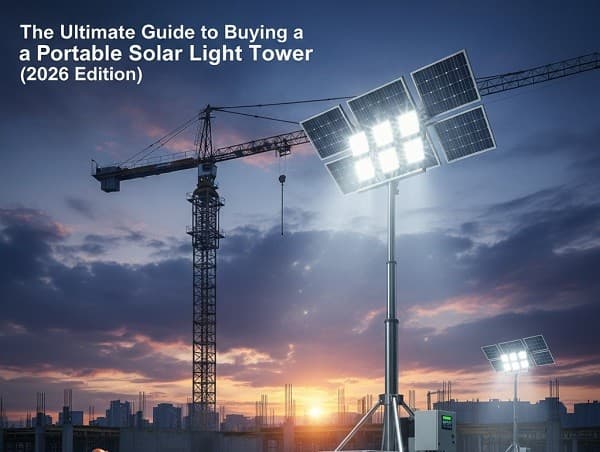
The Ultimate Guide to Buying a Portable Solar Light Tower (2026 Edition)
Buying a portable solar light tower in 2026 is one of the smartest moves a project manager can make. It solves the headache of fuel logistics, eliminates noise complaints, and slashes long-term costs.
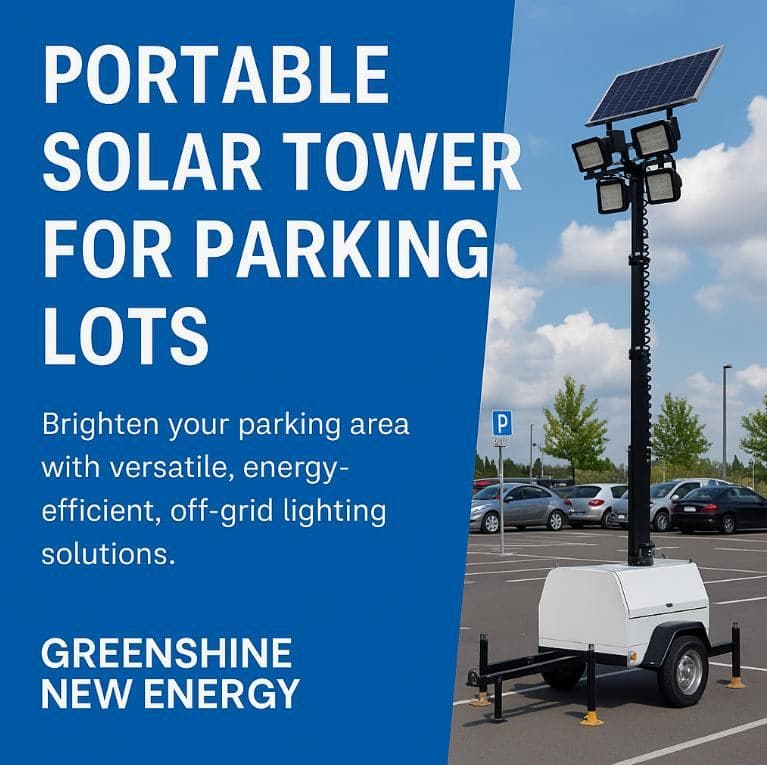
Portable Solar Tower for Parking Lots
At Greenshine New Energy, we provide mobile and portable solar light towers designed to deliver bright, sustainable light anywhere — without wiring, fuel, or utility costs.
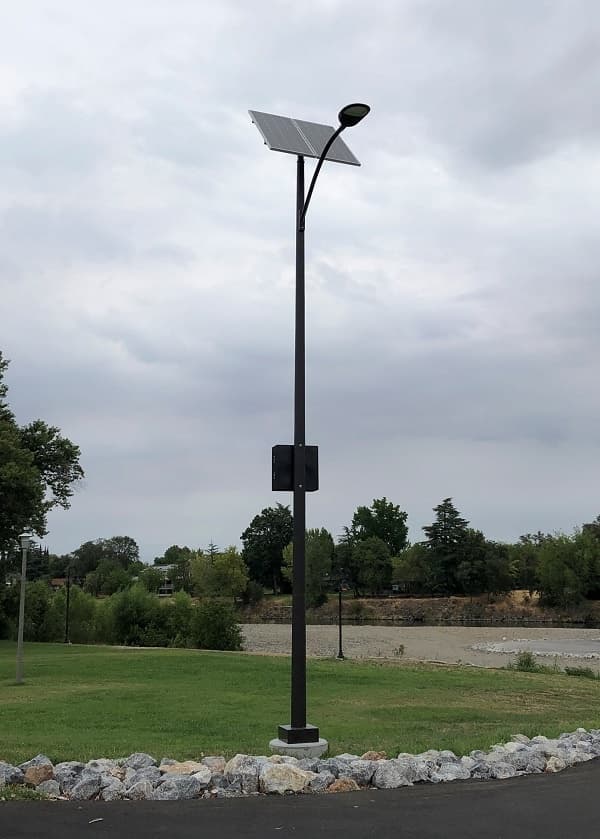
How Tall Are Solar Street Lights and Why It Matters for Your Project
Most solar street lights range from 12 to 30 feet, but the best performance comes from choosing a system designed for your project’s exact conditions — not a one-size-fits-all model.